

161 Years After the First Juneteenth:
Buffalo’s Celebration Turns 50
Written by Ekaete Bailey
Images by Kalvin Booker (Through His Lens Photography)
“This place is sacred, respect it like your grandma’s house.” Quotes and phrases dotted the side of Best Street the morning of Saturday June 13, 2026. Strategically placed lawn signs with accents of red, green, black and yellow expressed sentiments like “celebrate your heritage,” and “you are living the dreams of your ancestors.” These phrases served to remind everyone of the purpose, designation and importance of Buffalo’s historic Juneteenth annual celebration.
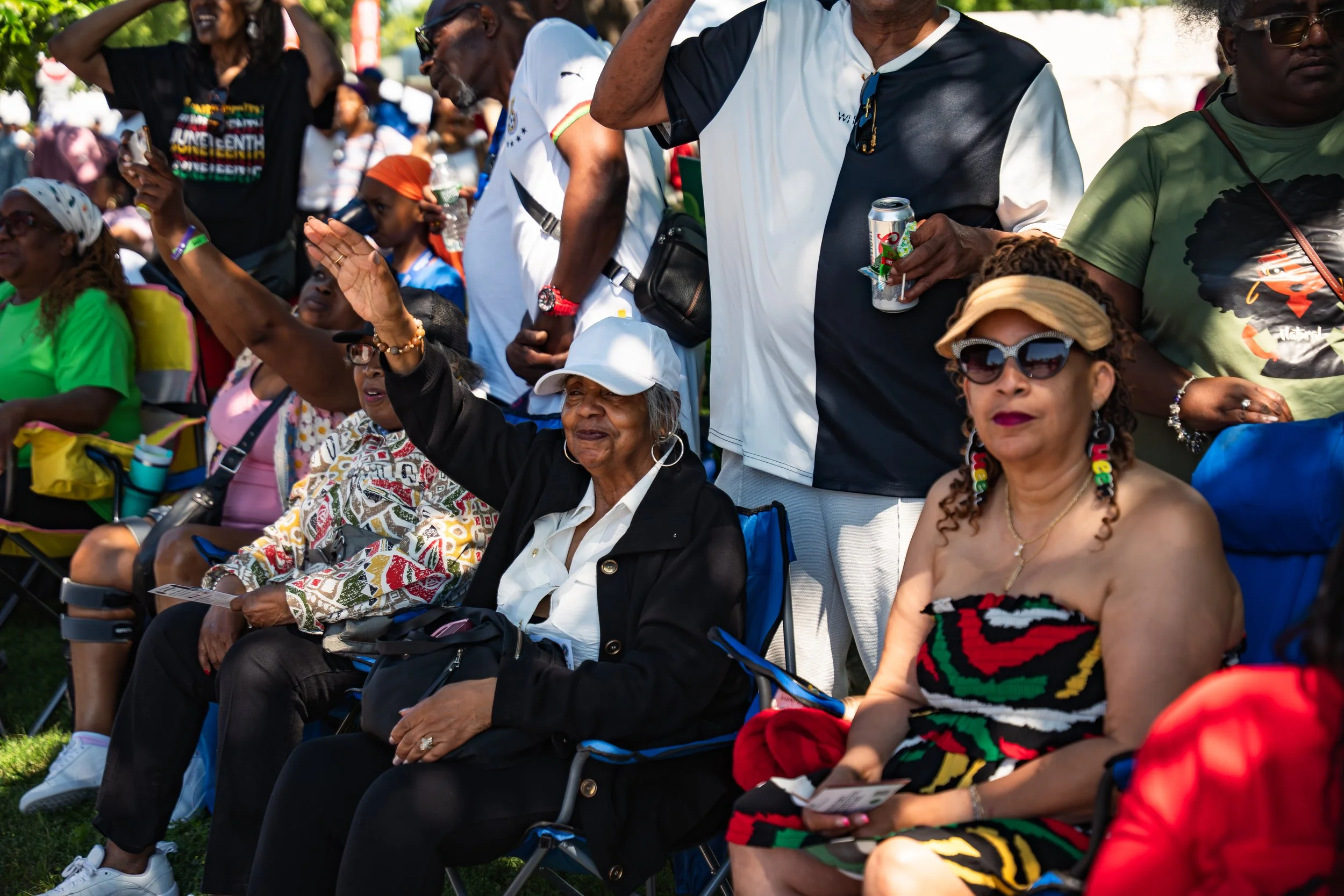
A perfect breeze combined with mild weather allowed for an ideal backdrop welcoming Buffalo’s 2026 Juneteenth Festival. Strolling the MLK Park festival grounds were elders with walkers, mothers with strollers, young ladies in colorful outfits, old men with hats, and fathers with their children raised up on their shoulders; a microcosm of the East Side. Representing greater Buffalo, several Indigenous, Asian, White, Middle Eastern and Latino neighbors attended.
Juneteenth is the acknowledgment of the last people who were enslaved in the United States receiving the word that, legally, they were no longer considered to be enslaved. This happened in June of 1865 in Galveston, Texas, 30 months after the emancipation proclamation was signed. “The freedmen are advised to remain quietly at their present homes and work for wages,” it stated in General Orders No. 3. A glimpse into the state of affairs after emancipation demonstrates a long and arduous road for formerly enslaved Americans.
Today, some in Buffalo are still a little confused about Juneteenth. Throughout workplaces, shops, schools and public gathering places, it is not uncommon to hear things like “I thought Juneteenth was next week” or “is it safe to go to the Juneteenth festival?” The confusion belies the lack of education, experience and proximity some in our community have. While it is not on the shoulders of Black and Brown people to continually provide explanations, proof points and invitations to those who are not familiar, we often find ourselves doing so.
Buffalo’s Annual Juneteenth Celebration began in 1976 and has become one of the largest Juneteenth celebrations in the United States. Before Juneteenth became a federally recognized holiday in 2021, the parade had always been celebrated during the third weekend in June. That tradition will continue for Buffalo. The Federally recognized holiday will be on June 19th each year.
Safety during the festival is often discussed. While there have been a few fights and infrequent shootings that have occurred over the past 50 years, the overwhelming majority of festival attendees conduct themselves peacefully. Black joy is infused into Juneteenth, not because it is perfect, but rather because it is real, and it is ours.
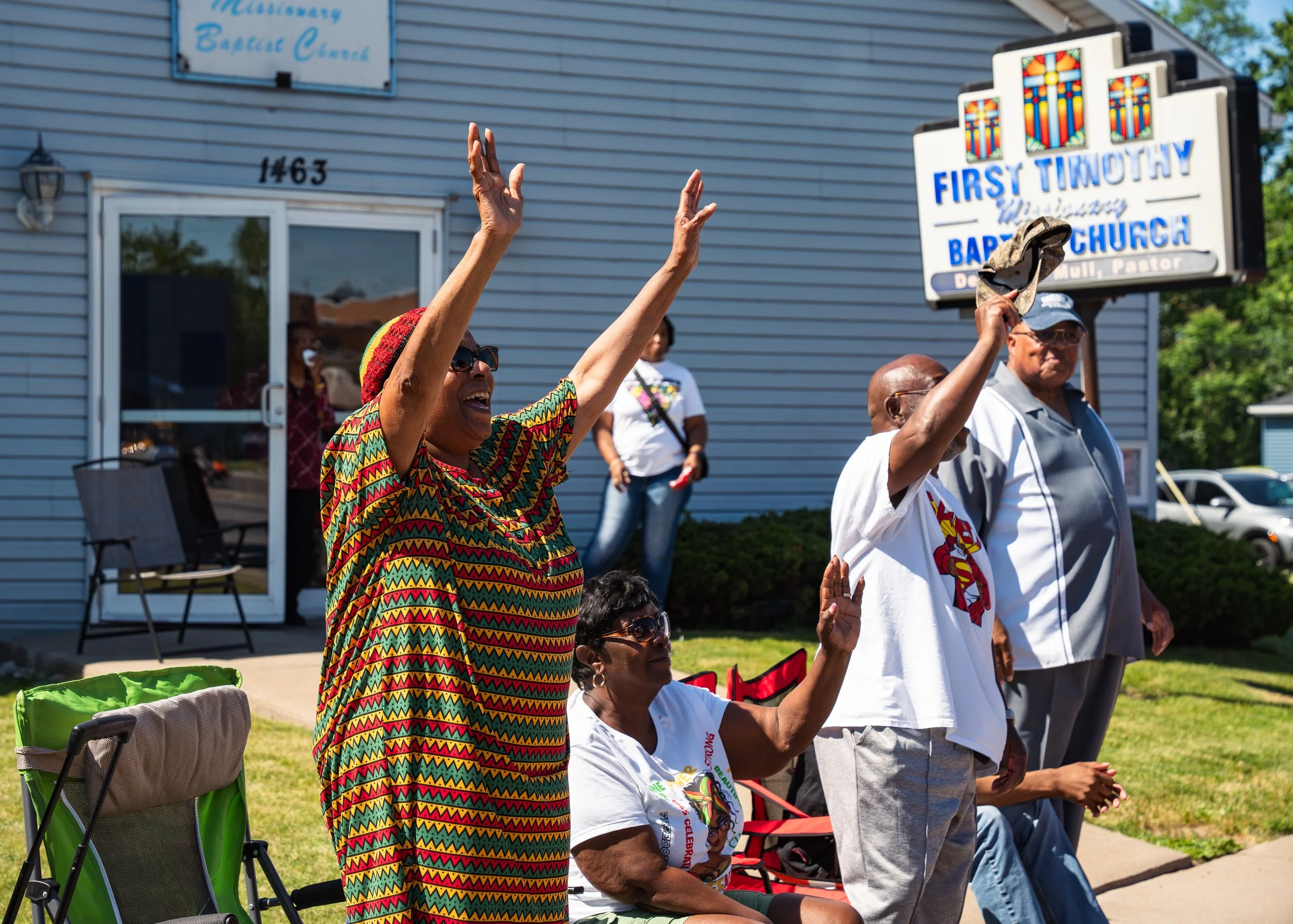
When asked to describe Black joy in ten words or less, a woman from the East Side watching the parade with her husband and young son said “Black Joy is happiness among family and friends.” The woman, who chose to stay anonymous, recalls how she celebrated Juneteenth over the years “by coming to Juneteenth as a child to see the parade and to visit with friends.”
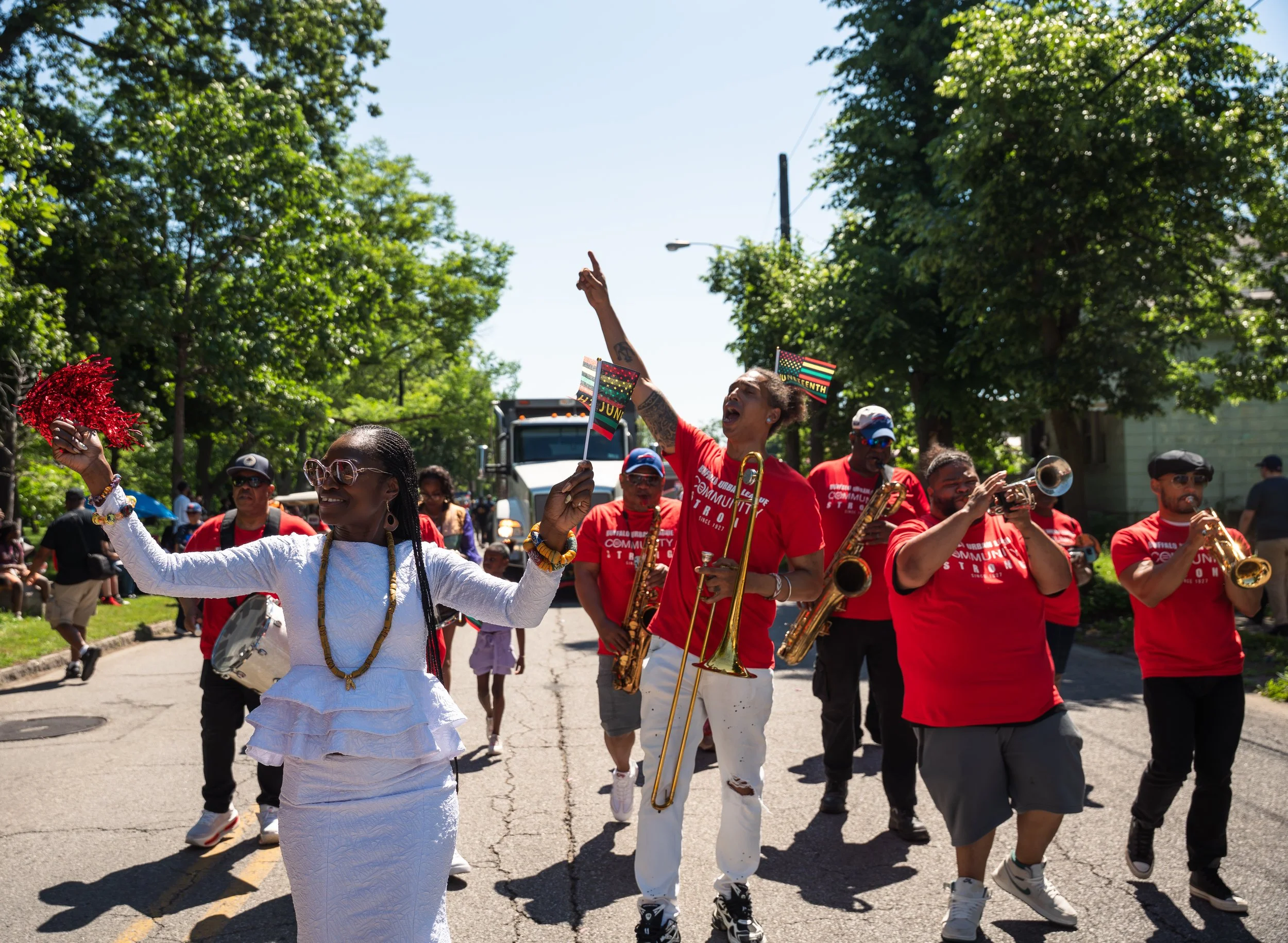
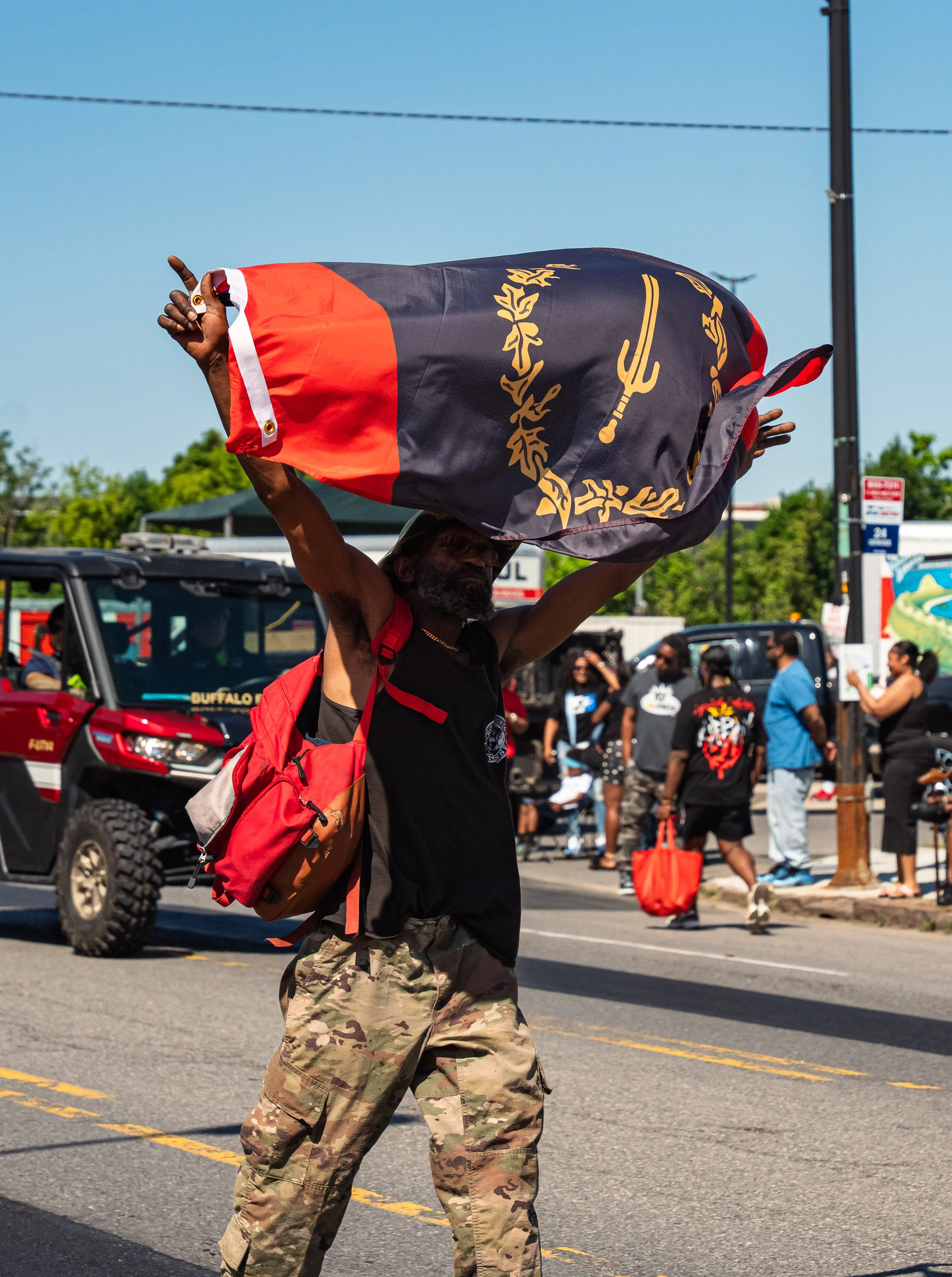
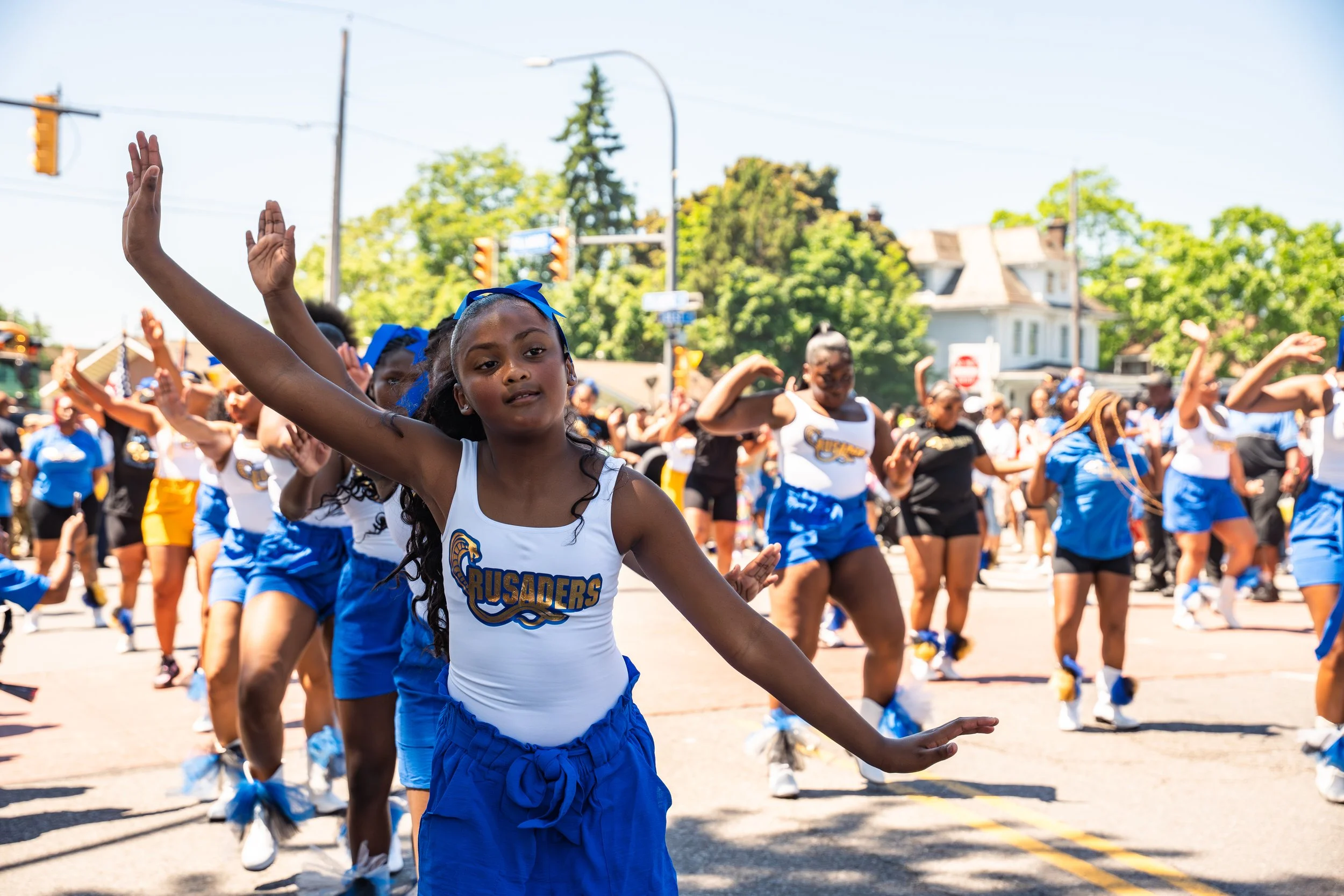
This year, the parade began with a military procession. A collection of vintage cars including 1967 Cadillac and new edition Lamborghini moved in procession from oldest to newest, an example of the beauty of both old and new. While there has been growth, change and victories along the way, the past 161 years in America has taught us that freedom is a process.
The scent of fried dough, kettle corn, barbecue, and oxtail wove together in a cornucopia of Black joy. Families holding hands, friends laughing together, different languages being spoken, all serve to compound the feeling of a city-wide family reunion.
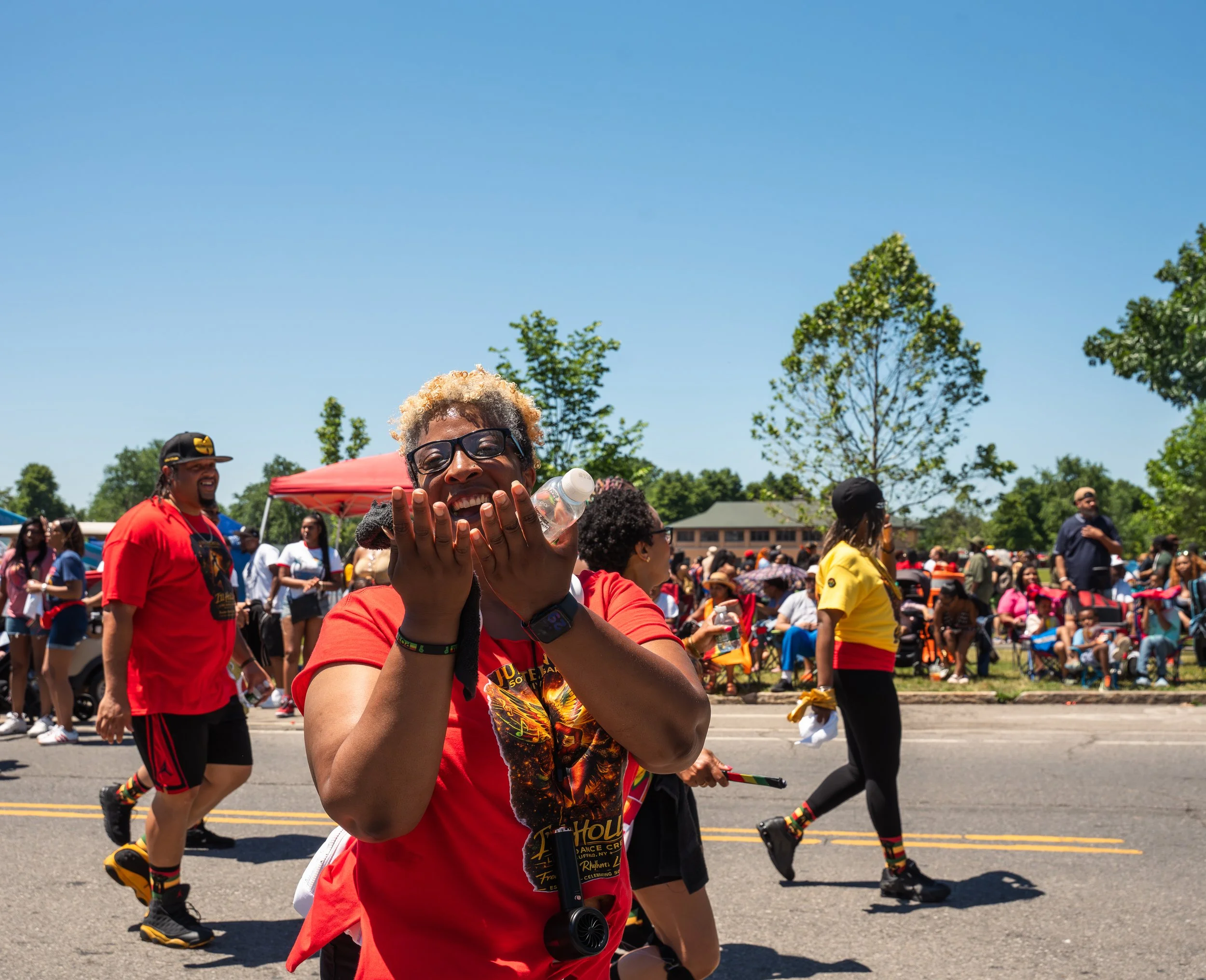
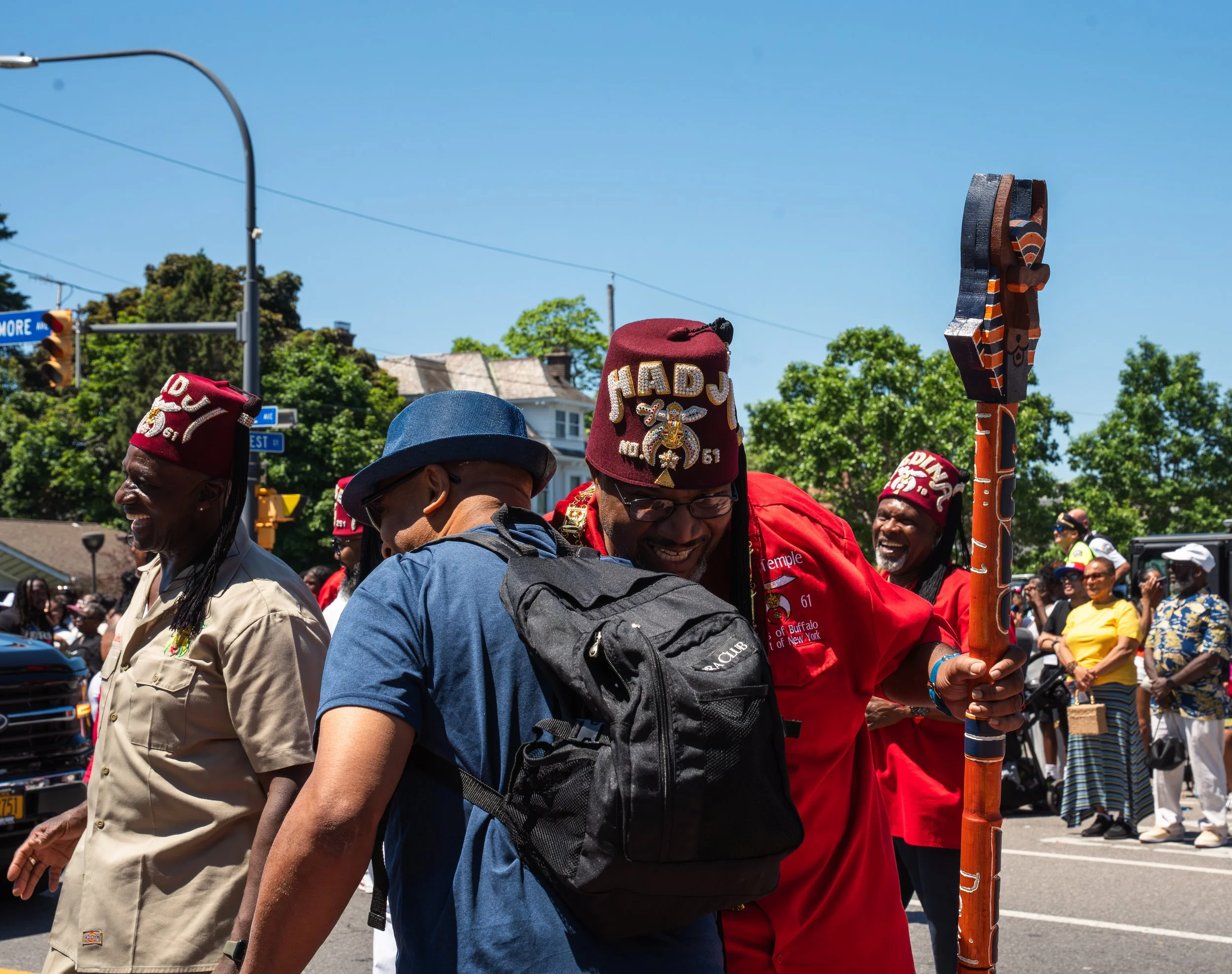
As the parade progressed, government leaders from the state, city, and county came through on individual floats and with marchers. Banks, organizations and cultural institutions also made a big presence. This year, the festival brought back Malik and Malika, the King and Queen of Juneteenth.
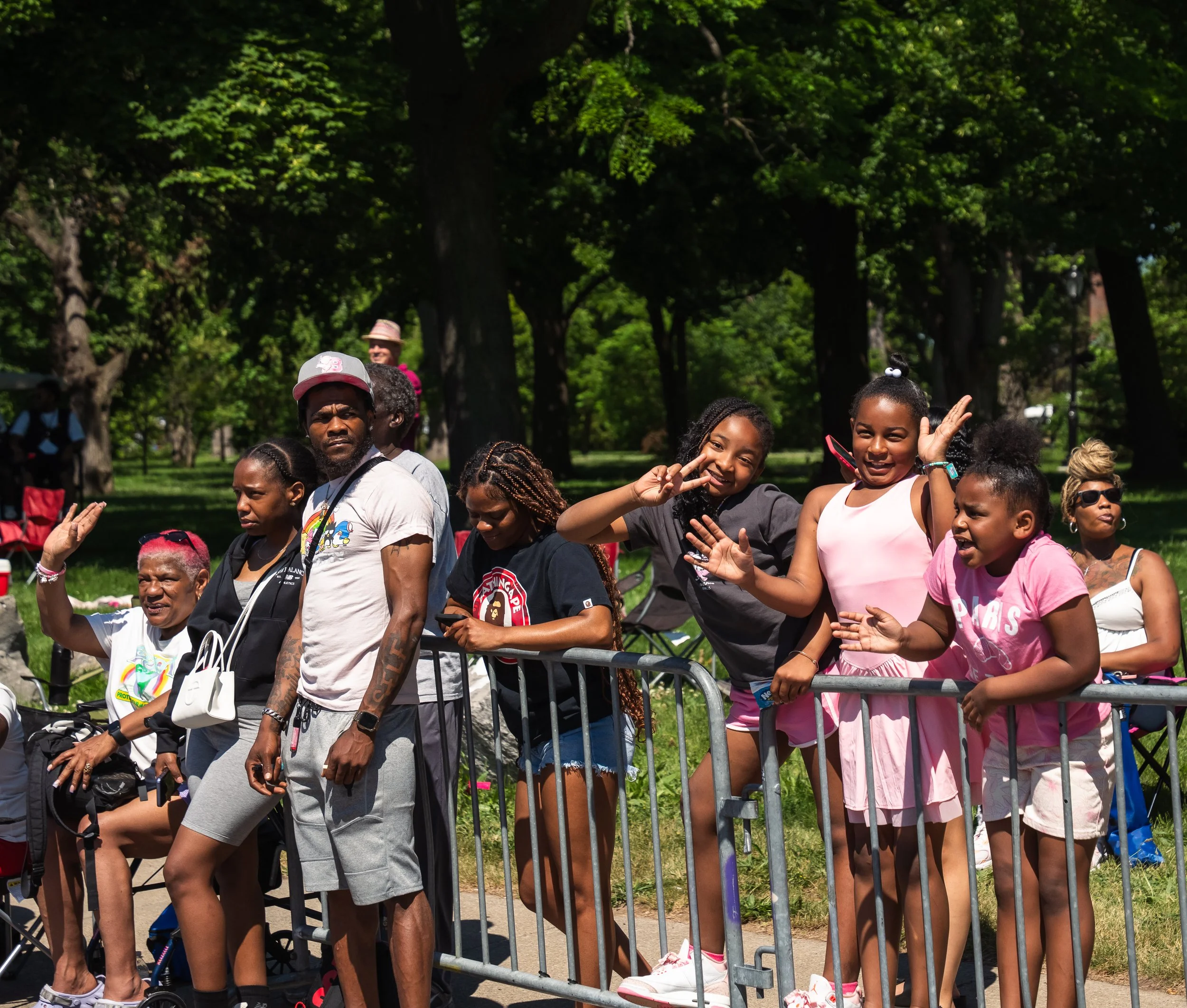
Music like Marvin Gaye’s “Got To Give It Up,” pumped through the float speakers while ladies of all ages walked the impromptu Juneteenth fashion runway. Adorned outfits from African-inspired to denim and from linens and cotton, showed up on ladies of all ages; a representation of the undeniable beauty and diversity of this vast community.
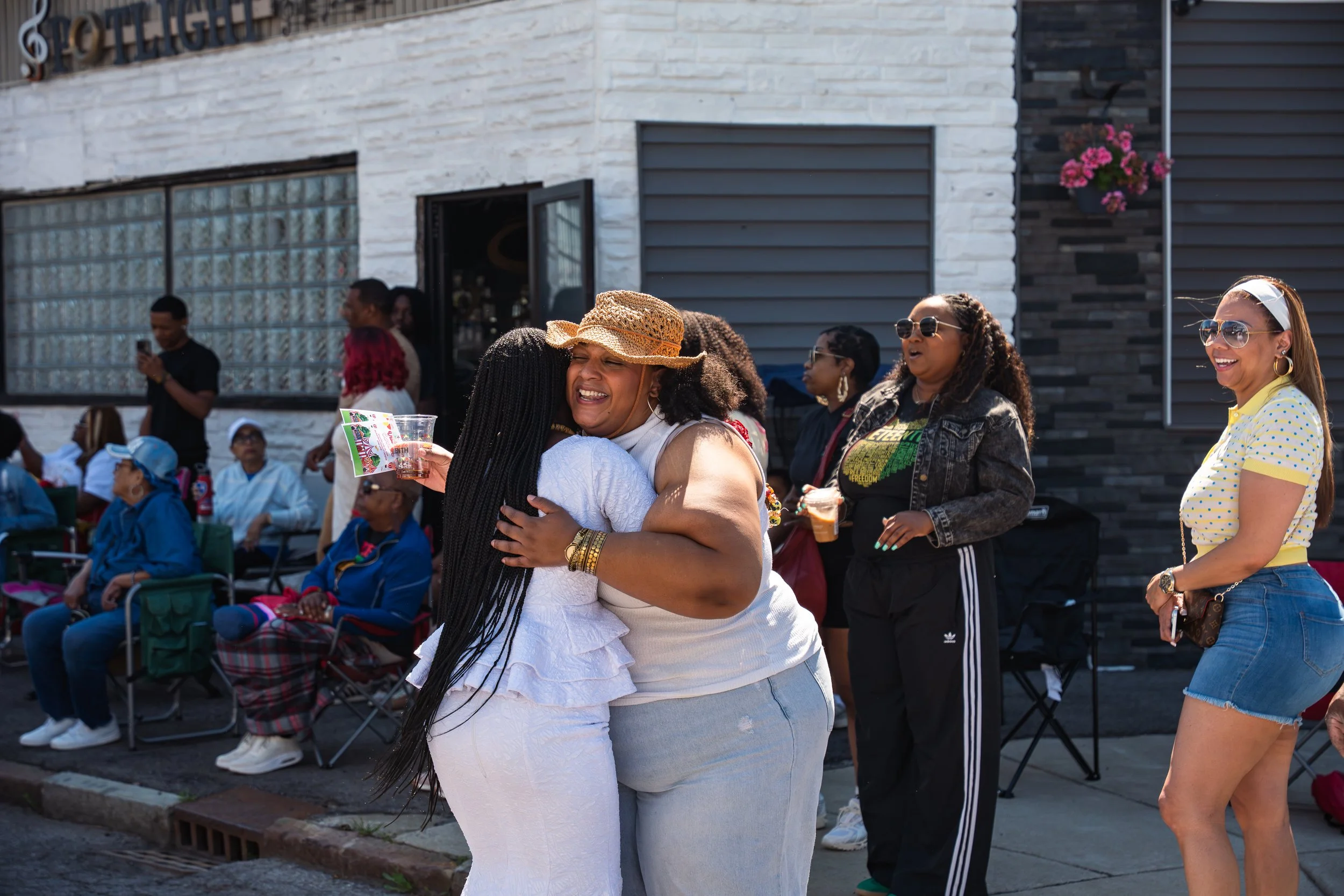
Like a mini reunion, people continually greeted each other as they passed by. Stephanie, born and raised on the East Side, reflected on her favorite Juneteenth memory. “I’ve always gone to the parade with my aunt and my mom. We would walk around, look at all the vendors and eat good food. We would make sure that we looked at all the Black Art.”
LC stood in front of his family’s house adjacent to the festival. A lifelong East Side resident, LC answered the ten word challenge about Black joy stating it is “the idea of being recognized, being seen as a people.” He went on to describe the leadership and pride inherent within his community and the broader Black American community. “Juneteenth is a family gathering. I have a family now, and I carry it on. Some employers don’t recognize it as a holiday, but I’ll always find a way to celebrate it,” he said.
Ways to take action
Ideation by Aitina Fareed-Cooke
“Buffalo’s Juneteenth celebration is more than a festival. It is a living expression of memory, freedom, family, culture, and the joy of being seen. Keeping this legacy strong means showing up with respect, learning its history, and making room for the next generation to carry it forward.”
For Funders & Institutions
Fund Juneteenth programming as year-round cultural and educational work, not only as a one-day celebration. Support planning, artist fees, youth activities, accessibility, safety, documentation, and community outreach.
Invest directly in Black-led cultural organizations, vendors, historians, and creative workers whose knowledge and labor help preserve the celebration’s meaning.
Encourage workplaces, schools, and public institutions to recognize Juneteenth with learning opportunities, paid time where possible, and meaningful participation that goes beyond a social post.
For Our Neighbors
Attend the festival, parade, and related events with care. Respect the people, businesses, artists, elders, and families who make the celebration possible.
Bring a young person, neighbor, or friend who has not experienced Buffalo’s Juneteenth celebration. Share what the day means to you and make space for them to ask thoughtful questions.
Support Black-owned vendors, artists, food businesses, and community organizations during Juneteenth and throughout the year.
Share a Juneteenth memory with your family or community. A conversation, old photograph, recipe, song, or story can help keep history close and personal.
For Community Leaders & Educators
Teach Juneteenth as part of the ongoing story of freedom, Black history, civic life, and the work that continued after emancipation. Make room for local history, including Buffalo’s own 50-year celebration.
Invite students to interview an elder, family member, artist, vendor, or community leader about what Juneteenth means to them, then create a reflection through writing, audio, visual art, or a short presentation.
Plan a class visit, youth group outing, or community learning day around Buffalo’s Juneteenth parade, festival, Black art, local vendors, and cultural programming.
Create space for students and community members to talk about how they can celebrate cultural traditions with respect, curiosity, and care, especially when the tradition is not their own.
For Artists & Storytellers
Use your practice to preserve Juneteenth memories through portraits, oral histories, poems, photography, music, short films, illustration, or community archives.
Center the many expressions of Black joy at the celebration, including family traditions, fashion, food, faith, art, music, entrepreneurship, and gathering across generations.
Create opportunities for young people and elders to tell their own stories side by side. A story circle, portrait project, pop-up recording booth, or community zine can help carry those memories forward.
Share the work of Black artists, vendors, organizers, and cultural leaders whose contributions make Buffalo’s Juneteenth celebration feel like home.