
Key Leaders Begin A Broadway/Fillmore
Equitable Development Working Group
Written by Ekaete Bailey
Images by Kalvin Booker (Through His Lens Photography)
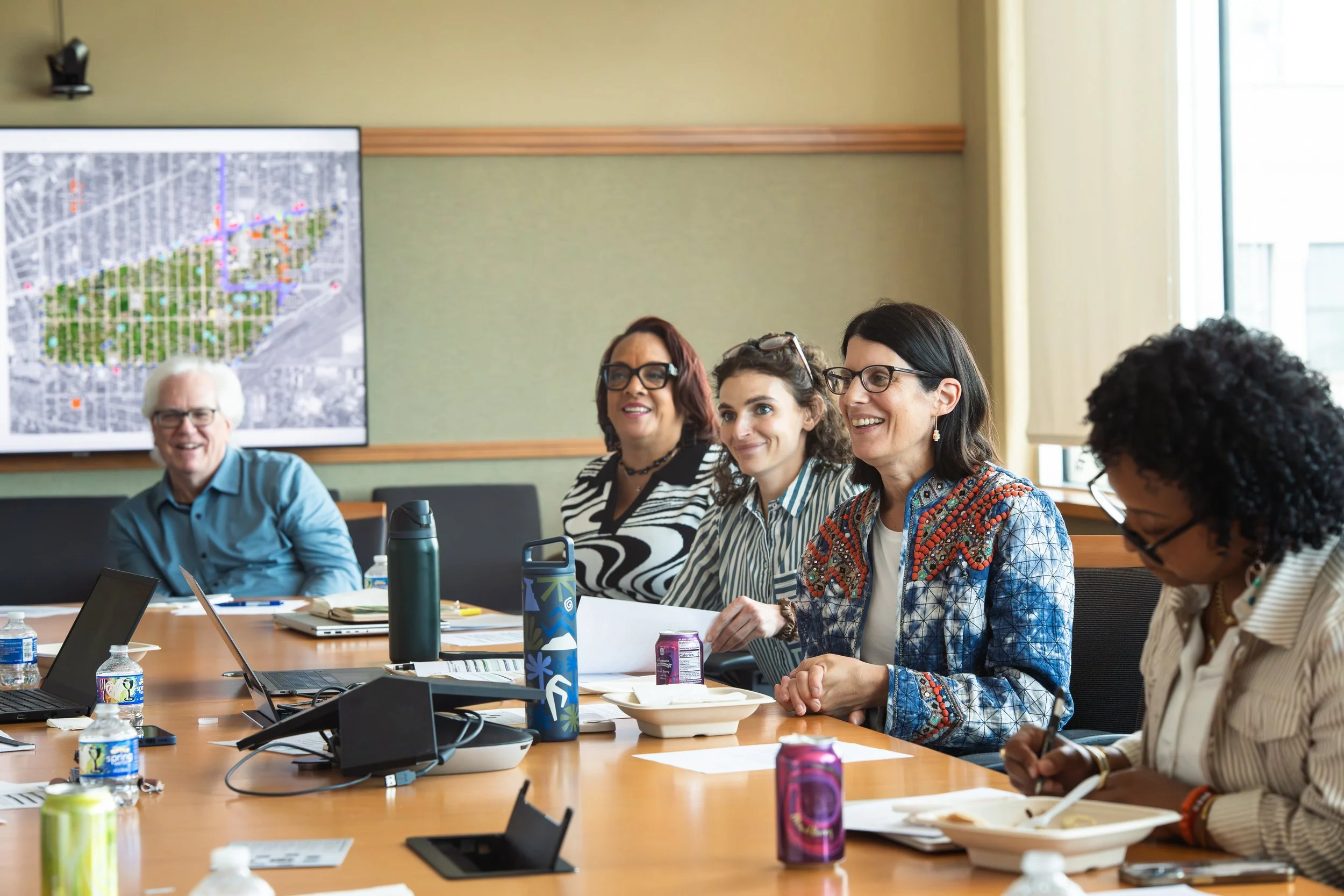
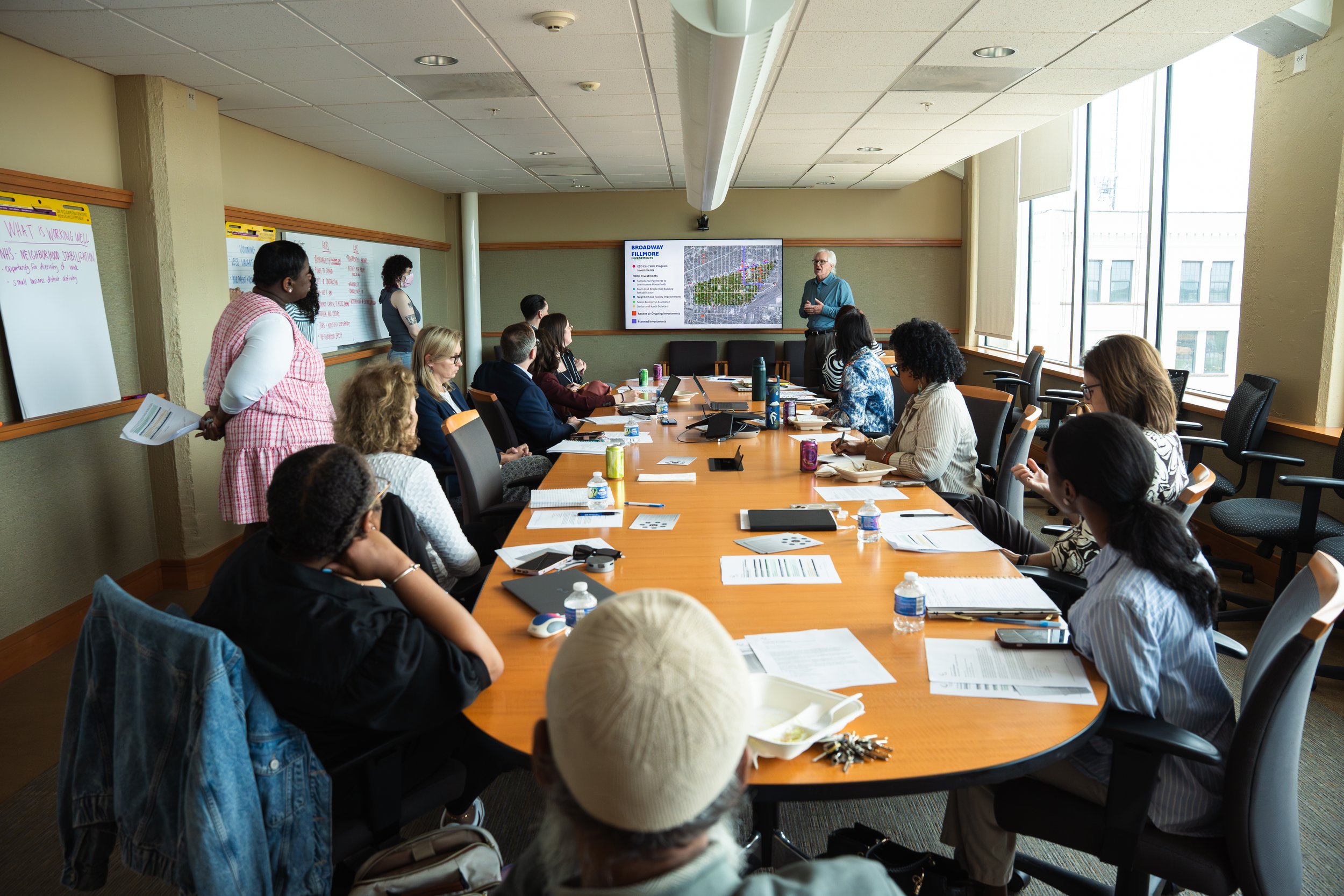
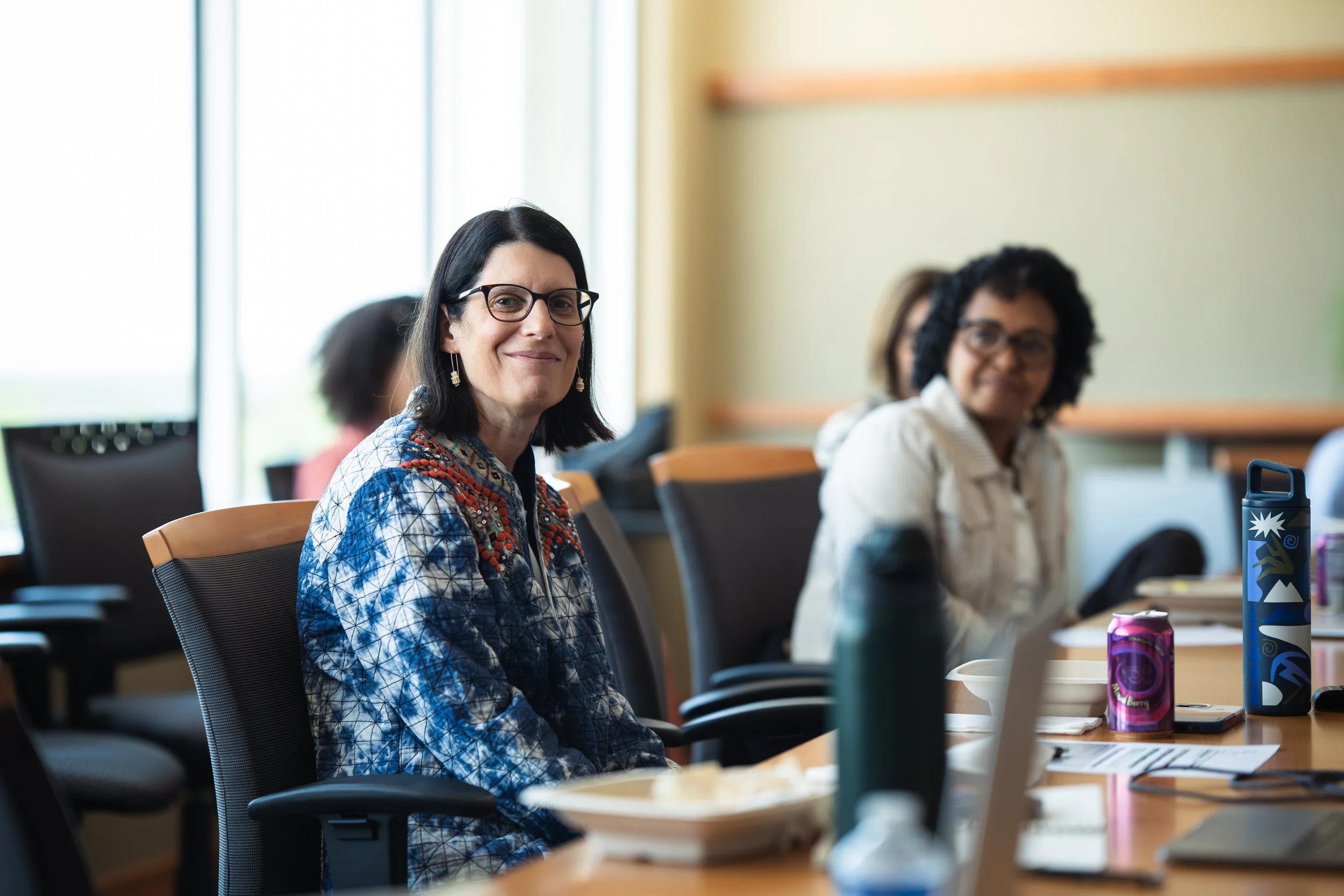
Inside the historic Larkin Square building, with a bird’s eye view of the Broadway-Fillmore neighborhood, the Equitable Development Working Group met for the first time. Held on Wednesday, May 27, from noon to 1:30, the working lunch hosted approximately 15 professionals from various sectors, including nonprofit, city government, and small business.
The purpose of the budding coalition is to develop a shared strategy and vision for the growth of the Broadway/Fillmore neighborhood. Goals of the initial meeting included connecting the dots, finding efficiencies, and identifying gaps.
Leaders from Heart of the City Neighborhoods, Inc. (HOCN), the City of Buffalo Strategic Planning Department, Buffalo Central Terminal, Broadway Fillmore Neighborhood Housing Services (NHS), Belmont Housing, and the Broadway Market were present at the initial meeting.
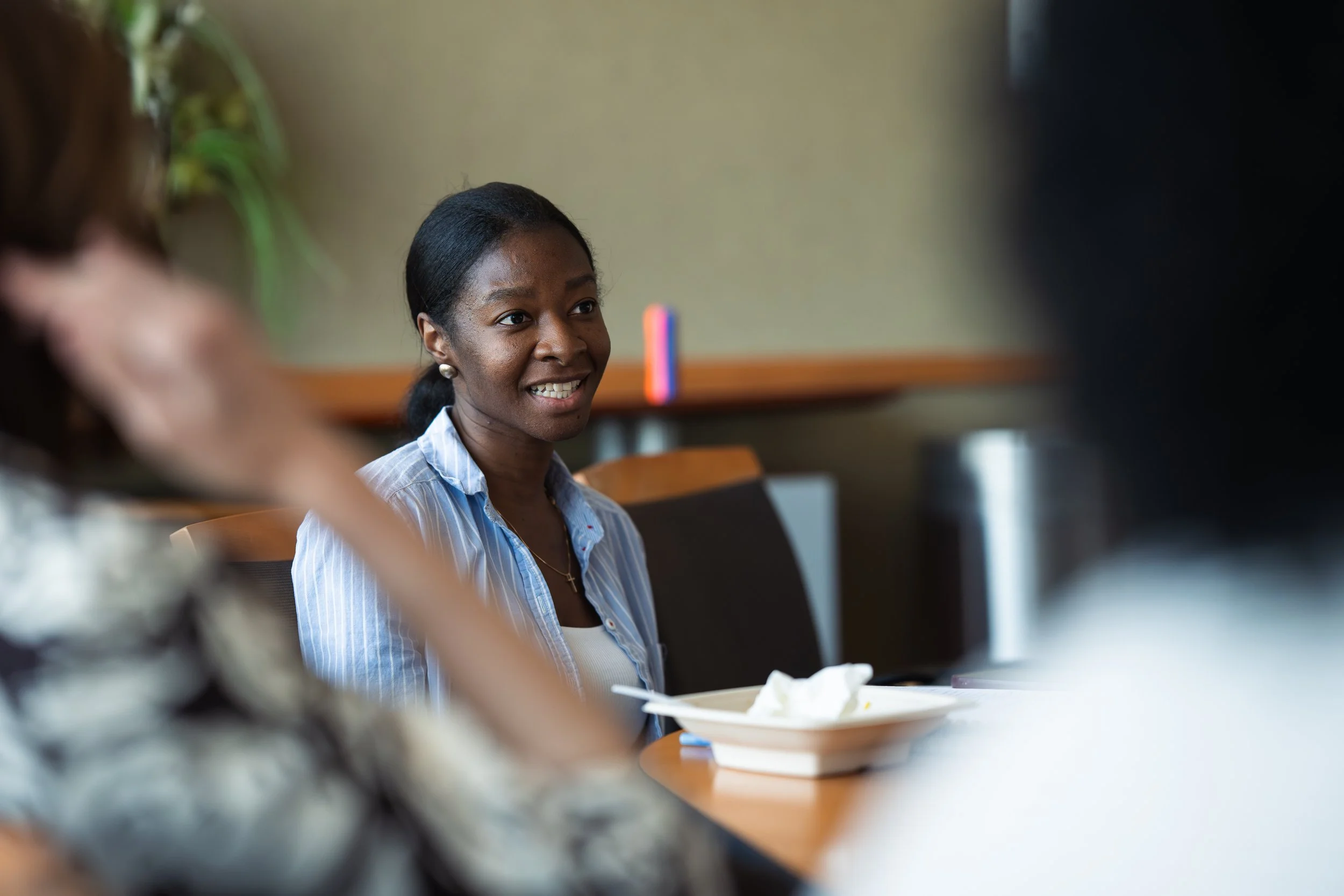
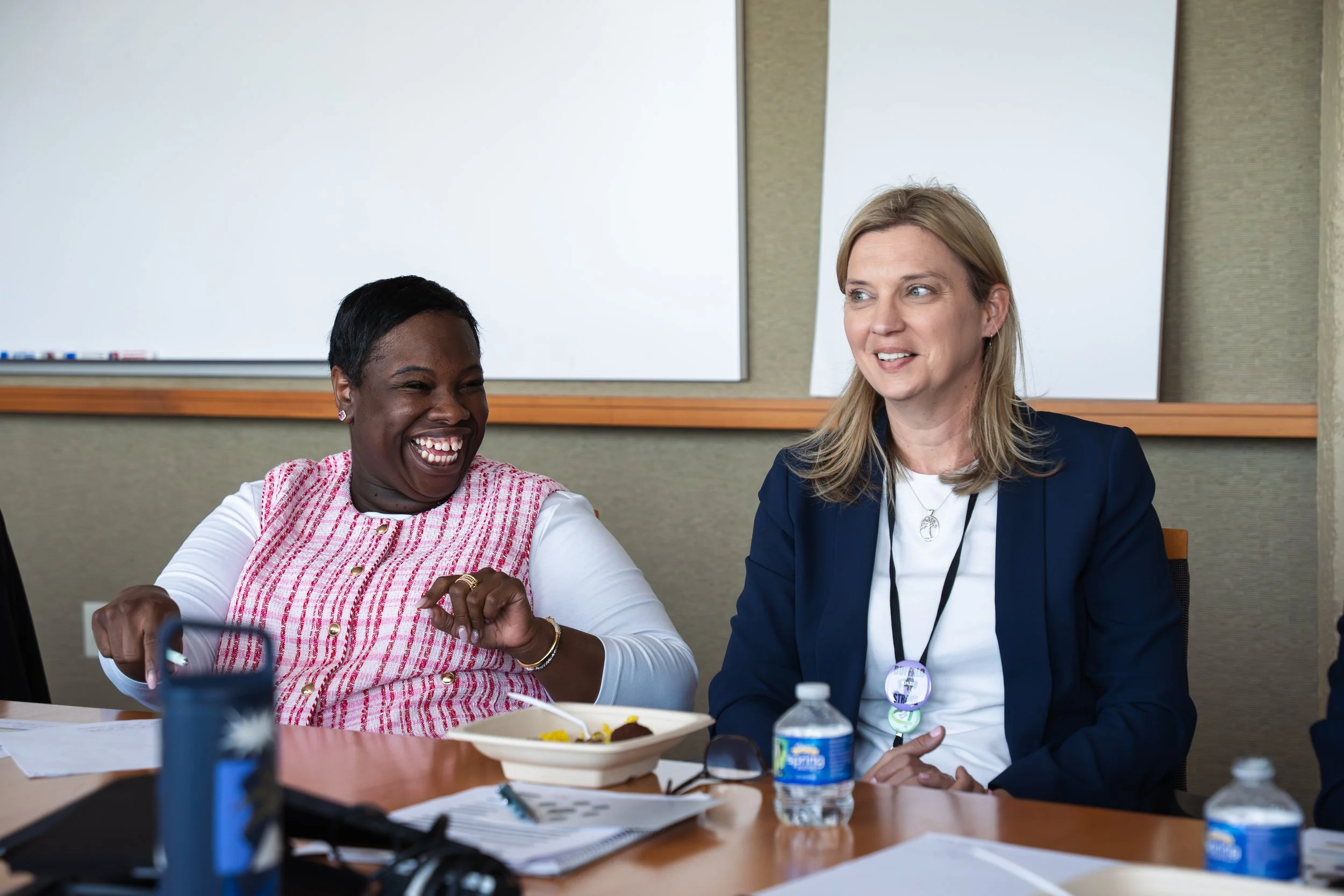
Christina Orsi, president of the John R. Oishei Foundation, welcomed the group and introduced Oishei as a connector, convener, and co-learner. Pam Ross, former vice president of community impact, introduced herself and her networking role in Oishei’s racial equity work.
Rahwa Ghirmatzion, co-founder of Agency, a people-first client solutions firm that implements actionable plans to build communities’ capacity for self-determination, and her colleague, Samantha Peterson-Borins, were present as key strategists.
Stephanie J. Simeon, executive director of HOCN, an organization that exists to create, facilitate, and support housing and neighborhood development in Buffalo’s core communities, served as the facilitator of the opening exercise.
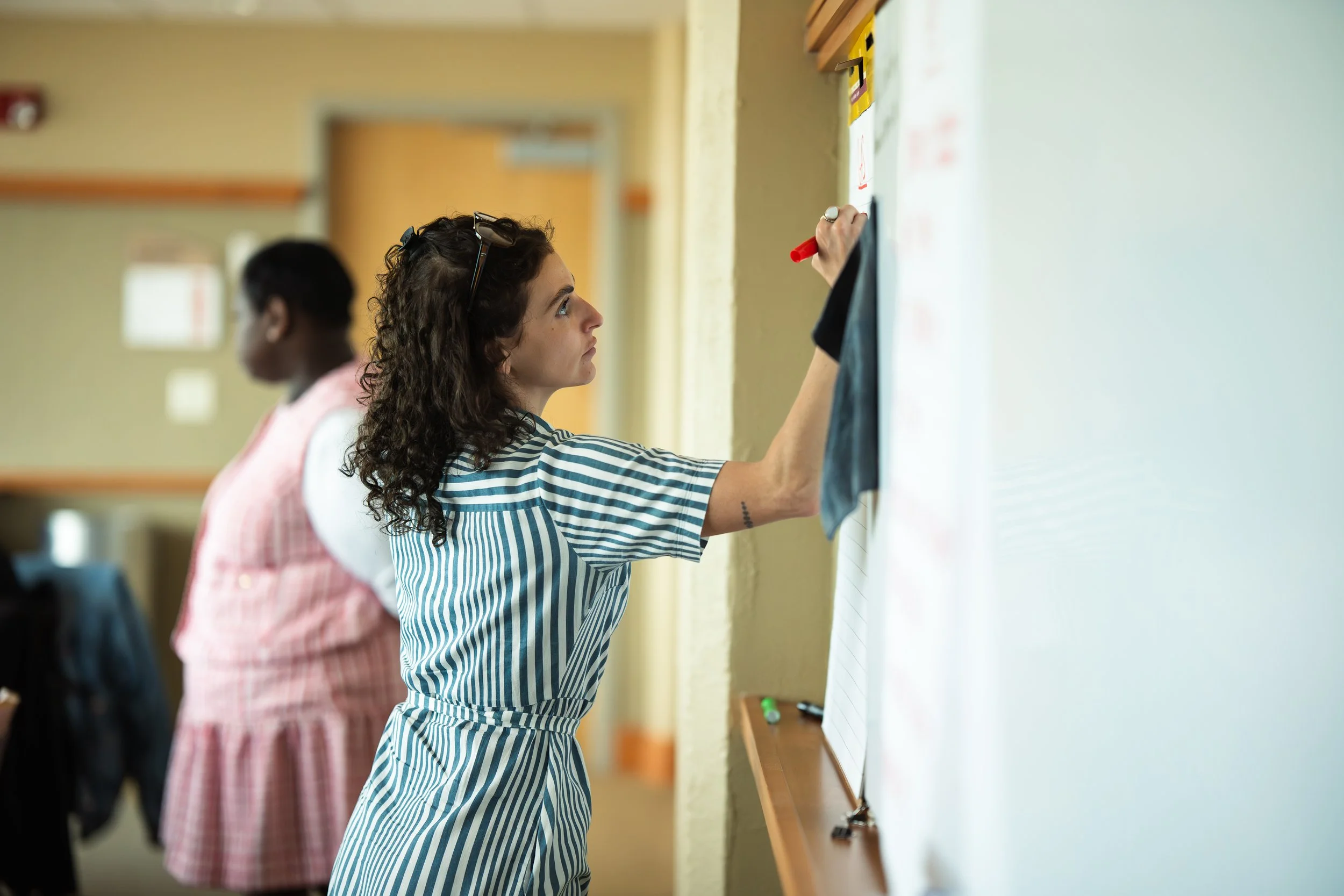
Ms. Simeon, a Brooklyn transplant to Buffalo, asked everyone to share why the Broadway/Fillmore area was important to them and one word that connects them with the neighborhood. “How do we community build in an equitable way? It takes a lot of parts to make a whole,” Simeon said.
Serving the goal of connecting the dots, the opening exercise helped the group develop shared language and provided many opportunities for laughter. Simeon gathered a list of words and phrases from each participant. Words like heart, history, community, tradition, and impactful were said in connection with the neighborhood, along with phrases like community connection, collective impact, and adopted home.
Ms. Ghirmatzion provided the Neighborhood Strategy Overview to the group. She hit on demographic data that helped paint the picture of a community in need of investment. There are more people of color, including Black people, living in the Broadway/Fillmore neighborhood than the average percentage in Buffalo as a whole. Over 50% are renters, and there are significantly fewer high school graduates than in other parts of the city. “We know this neighborhood is ready for investment and we want equity to be at the center,” Ghirmatzion said.
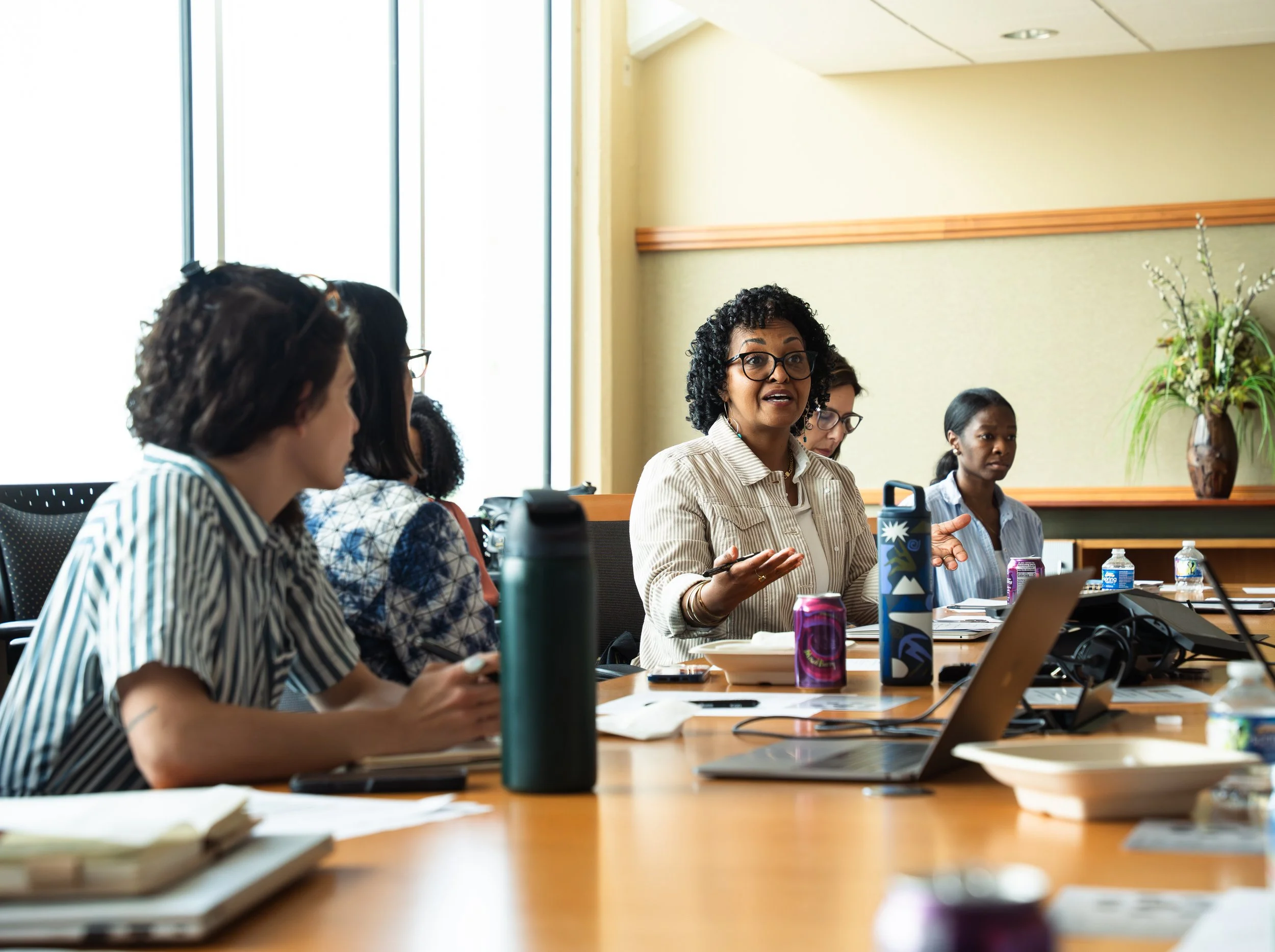
According to the data, 38% of the neighborhood is unused or underdeveloped and reflects a legacy of deliberate disinvestment. “Our goal here is to be containers and be technical consultants as we build relationships,” Ghirmatzion said, in reference to both the working group and those living in the neighborhood.
Ms. Simeon leveraged the information and data from Ghirmatzion’s presentation and began to probe the group for both efficiencies and gaps. “What do you feel is already working well?” Simeon asked. Efficiencies included keeping people in their homes, home repair programs, supporting people in finding affordable housing, and vacant rental housing (VHR). Strong community networks like the Greater East Side Field of Dreams Block Club Association and the Central Terminal Neighborhood Association add to community support networks. It was also mentioned that Buffalo Central Terminal has 30 acres of the neighborhood, and much of it is waiting to be developed.
As they began to identify gaps in the community, Simeon asked the group a reflective question. “If we do this right, this becomes a premier neighborhood where people can live, work, and play. What does that look like?” The group responded: creation of greenspace, workforce development, affordability of rent, and resources for rehab (especially if a community member inherits a home). The group also mentioned activities for youth and women, walkable public spaces, and basketball courts.
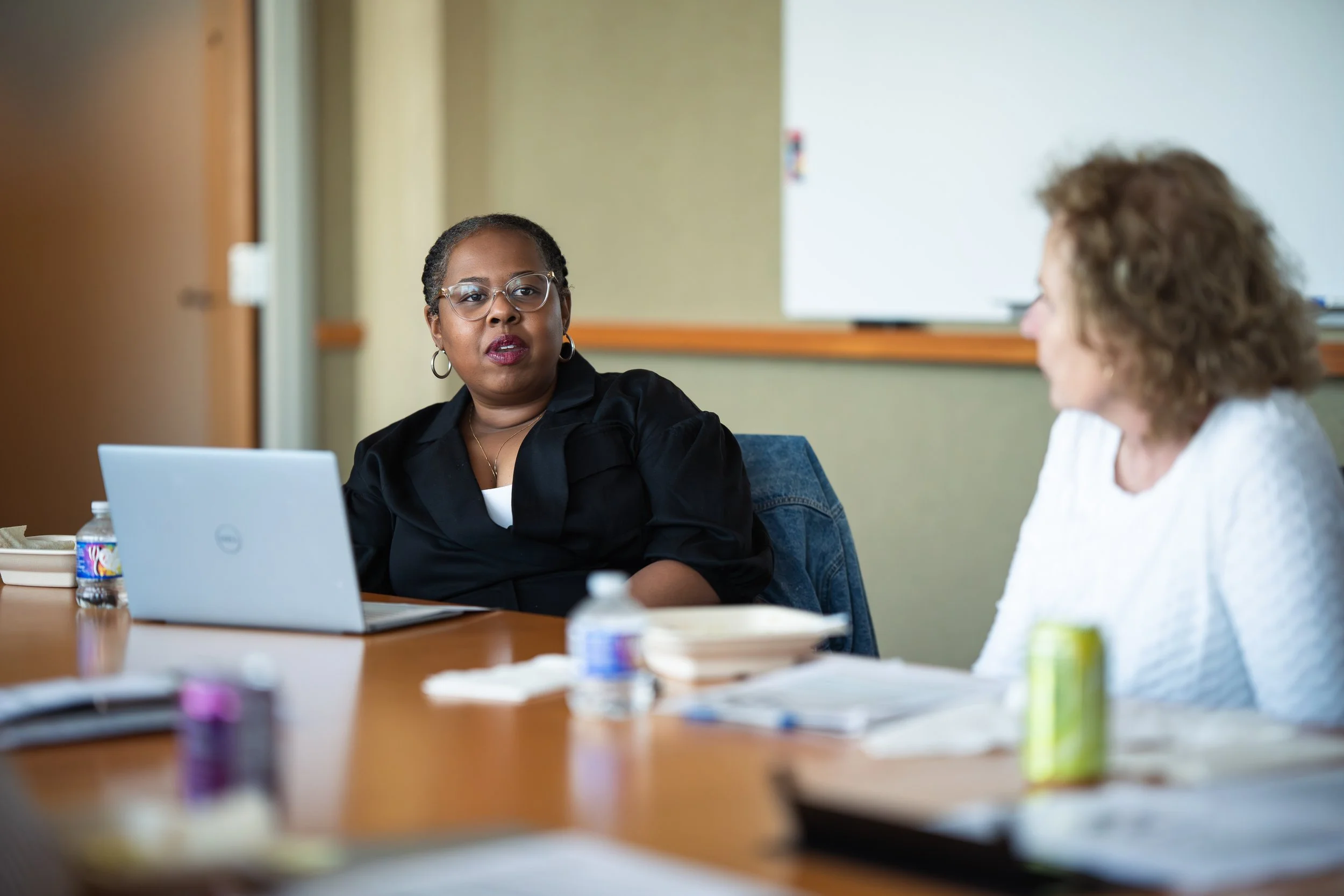
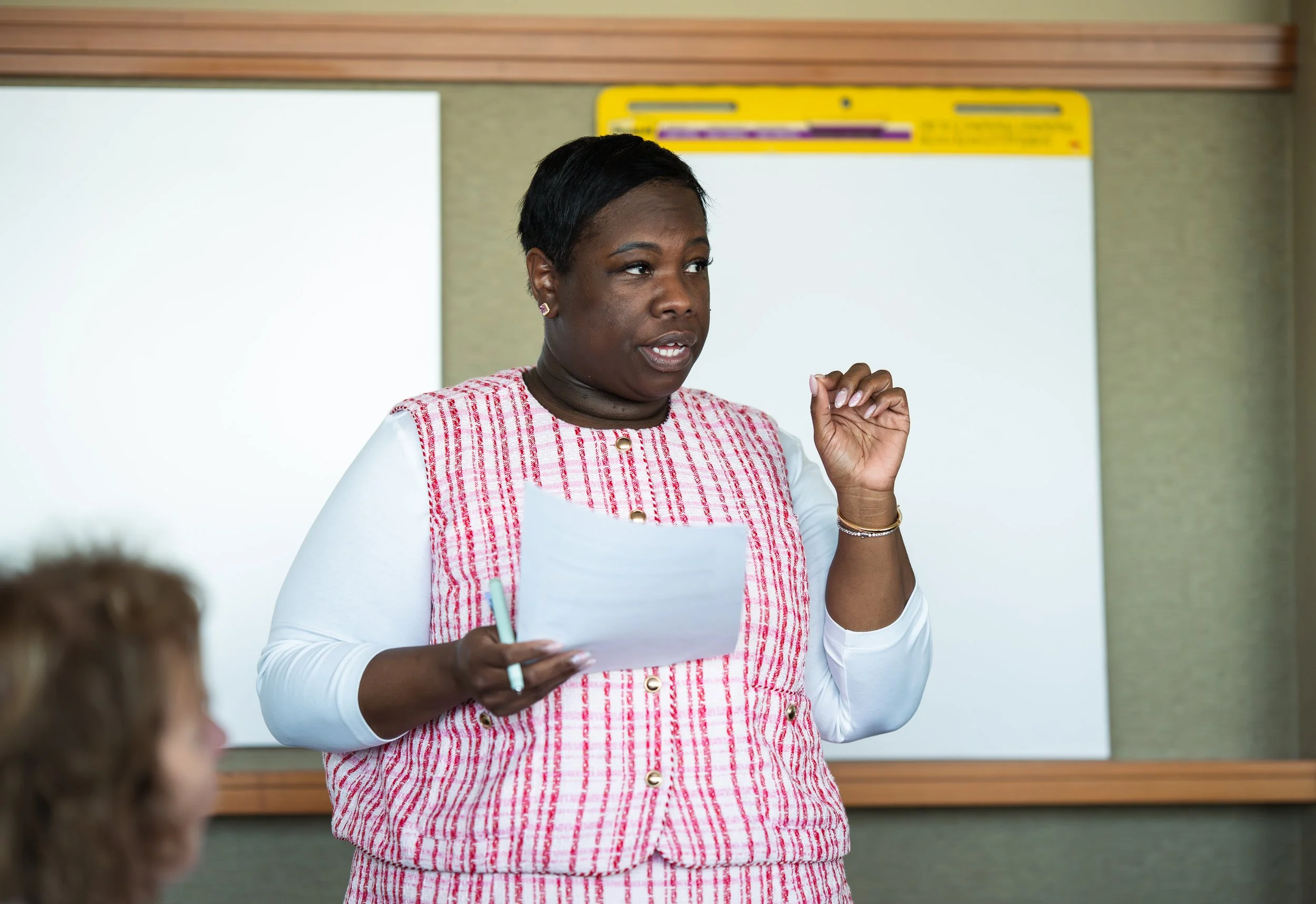
A large gap is recognized in a lack of organizational support for families that are at 80%–100% AMI (area median income). Although the Broadway/Fillmore neighborhood is very diverse in race and religion, several group members acknowledged a lack of connection between neighbors as a gap. “We need pre-integration of cultures and religion,” Breanna, from NHS, said.
The working group will continue to meet on an ongoing basis, every two months, and continue the relationship-building and strategic planning process. Ghirmatzion plans on putting a governance structure together for how the collective will operate. She also wants to discuss the community voice that will be centered in this work. “We will have real commitments, hold each other accountable, and decide what accountability looks like,” Ghirmatzion said. “When we think from an abundance and collective model, it’s amazing what can be accomplished.”
Ways to take action
Ideation by Aitina Fareed-Cooke
“The vision of the future of Broadway/Fillmore should be painted by the people who live, work, worship, raise families, and build community there. This working group is another seed, and its strongest growth will come from ongoing relationships, shared accountability, and those that live within the community having a collective intentional part in what happens next.”
For Funders & Institutions
Invest in the relationship-building, facilitation, planning, and governance support that helps neighborhood partners move from good ideas to shared implementation.
Provide flexible funding based on priorities that the members from within the community identify. This might include: housing repairs, affordable rentals, sustainable youth programs, green space, workforce development, and business support, etc.
Fund community participation as real work. Make room for stipends, childcare, transportation, food, translation, and accessible meeting spaces so more neighbors can take part.
Ask partners how they will share decision-making with community members, then support the time and tools needed to follow through.
For Our Neighbors
Share one thing you love about Broadway/Fillmore and one thing you want to see improve with a block club, neighborhood organization, local business, or trusted community leader.
Attend a neighborhood meeting, public gathering, or community event when you can. Bring a neighbor, ask questions, and listen for ways to stay connected as planning moves forward.
Support neighborhood businesses, cultural spaces, and community events. Strong local relationships help keep the area’s history, energy, and resources close to home.
Look out for youth and families in your community. Share information about jobs, programs, repair support, housing resources, and activities that may be helpful.
For Educators & Organizational Leaders
Invite students and residents to map the places that matter to them, including homes, businesses, faith communities, parks, schools, gathering spaces, and places they want to see improved.
Turn the neighborhood into a learning space. Plan a walking field trip through Broadway/Fillmore, then invite students to document what they notice through writing, photography, interviews, drawings, or short videos.
Host a listening session, community meal, or pop-up conversation before launching a new program or project. Ask people what is already working, what is missing, and what would make participation easier.
Share back what you heard and explain how it will shape your next steps. People are more likely to stay engaged when they can see their voice made a difference.
For Artists & Storytellers
Create work that holds the neighborhood’s history, culture, faith, businesses, families, and everyday brilliance alongside its hopes for the future.
Invite neighbors to share photographs, memories, poems, drawings, or voice notes about what makes Broadway/Fillmore feel like home and what they want the area to become.
Partner with local schools, housing organizations, small businesses, and community groups to create a mural, exhibit, oral history project, neighborhood zine, or public performance rooted in community ideas.
Help make planning feel visible and understandable through maps, portraits, photo stories, illustrations, or short videos that show what residents are asking for and why it matters.