
Creative Sustainability Starts with People
What Western New York creatives shared about the support, resources, and relationships it takes to keep going.
Written by Aitina Fareed-Cooke | Copy Editor - Ticia Cole
Images by Kalvin Booker (Through His Lens Photography) & Video by Patrick Htoo
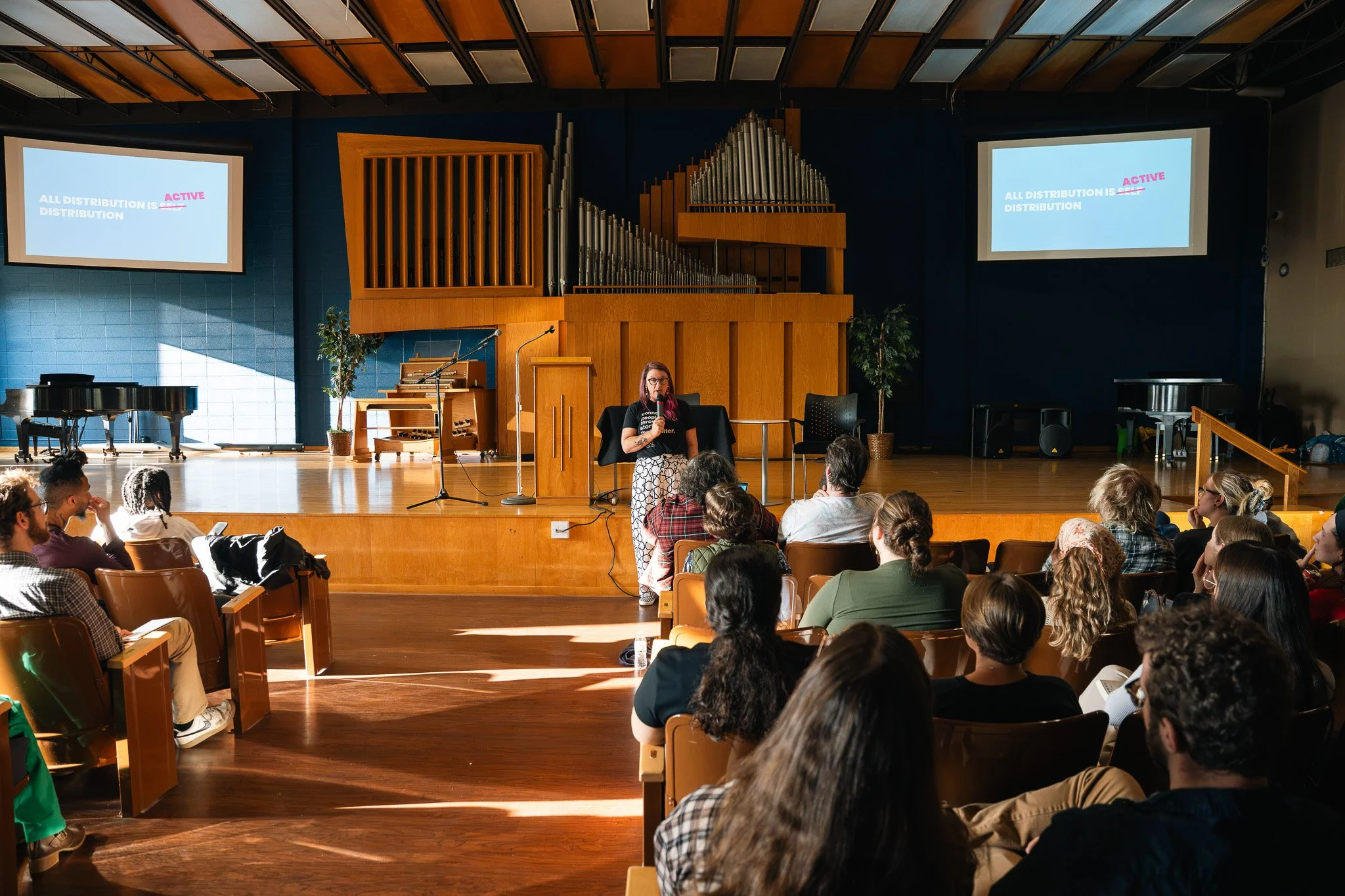
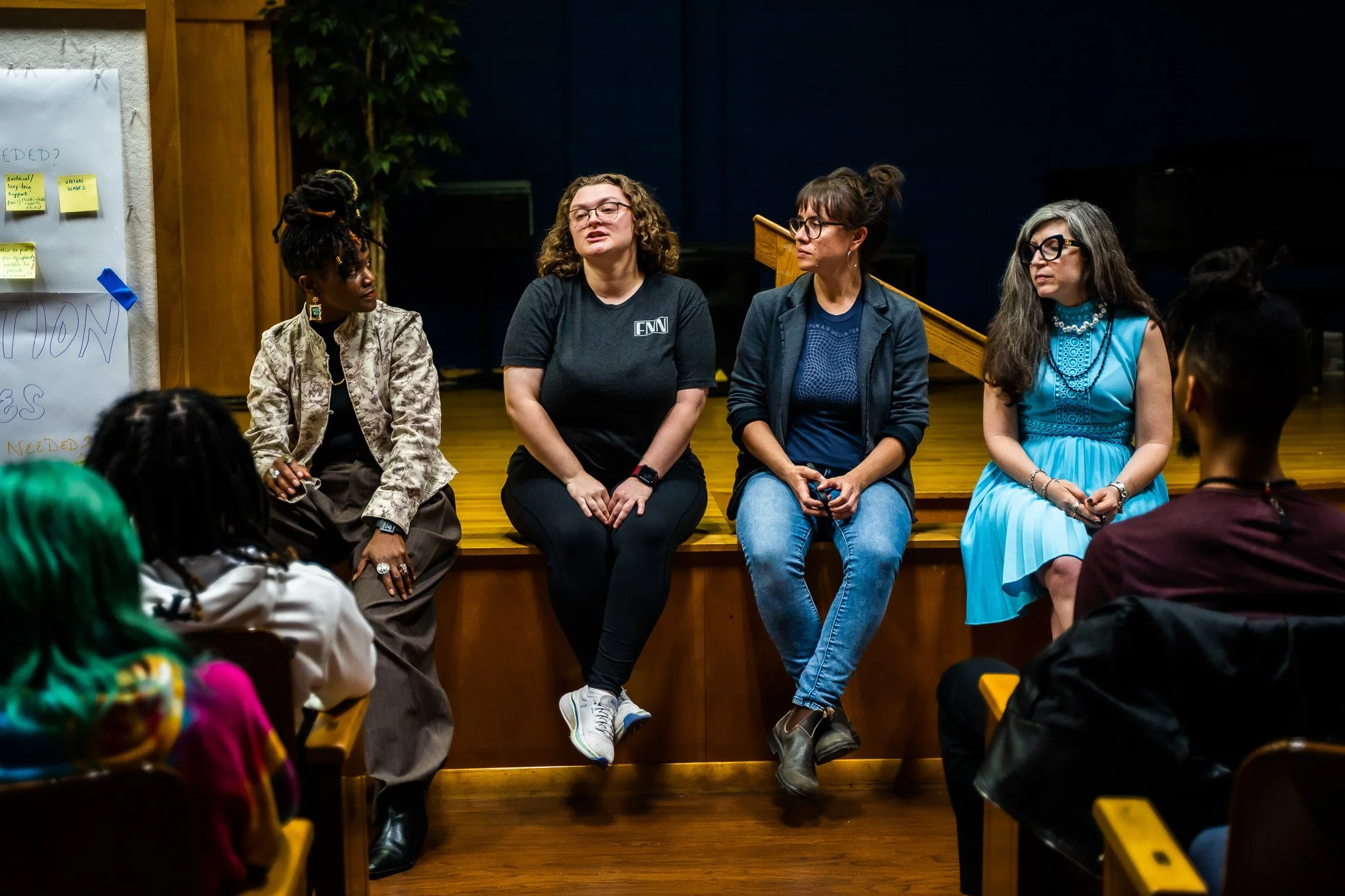
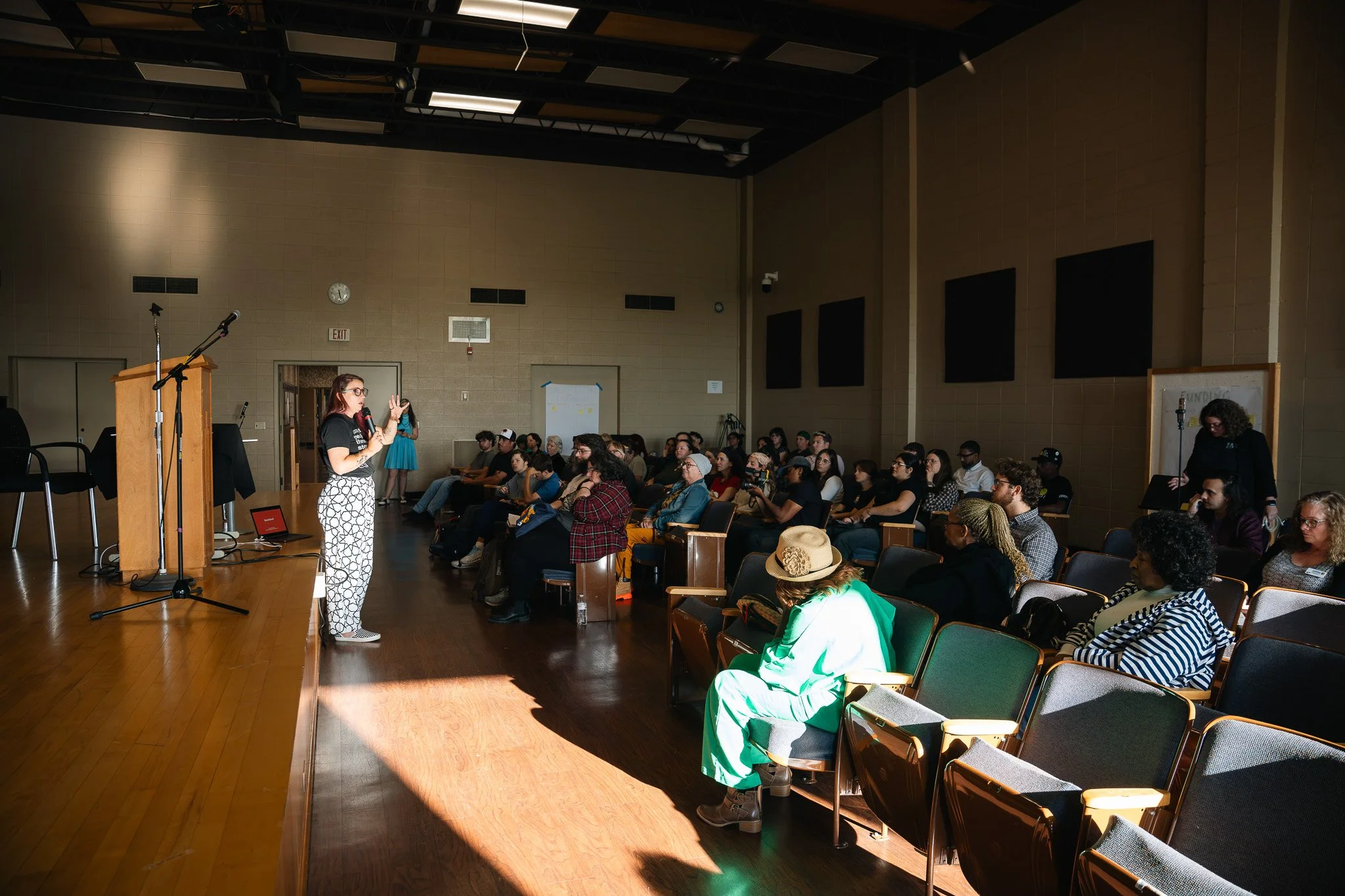
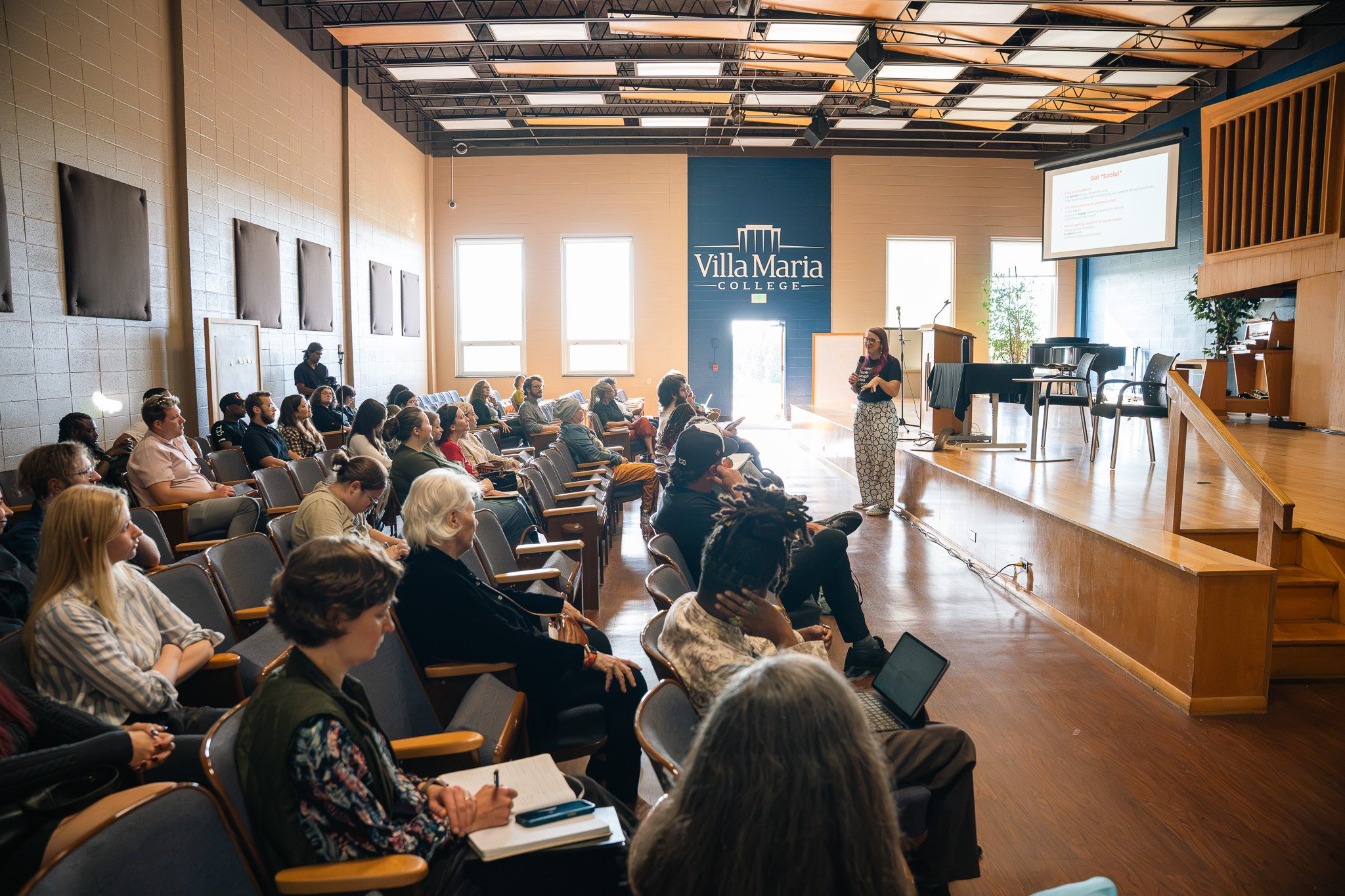
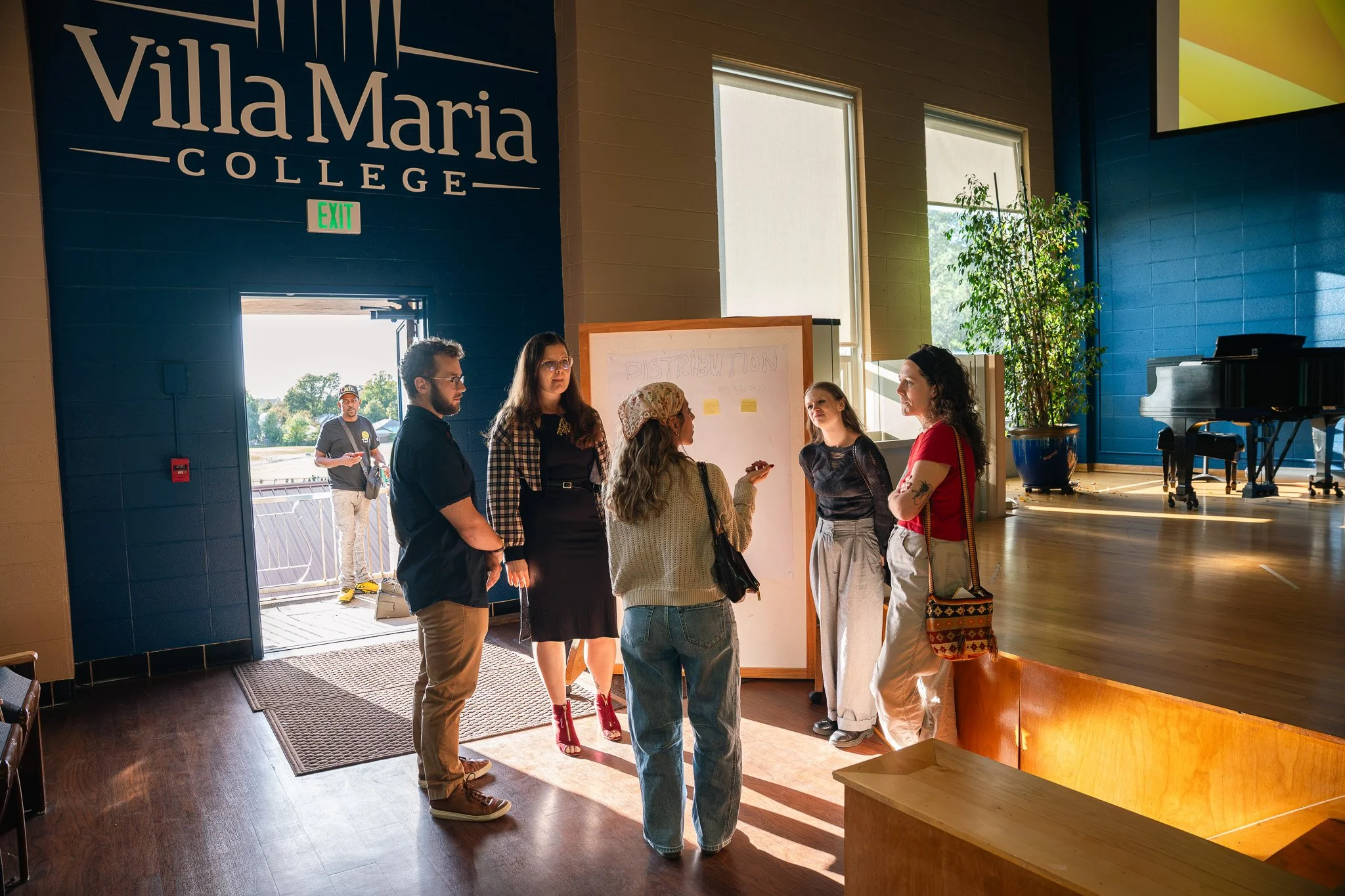
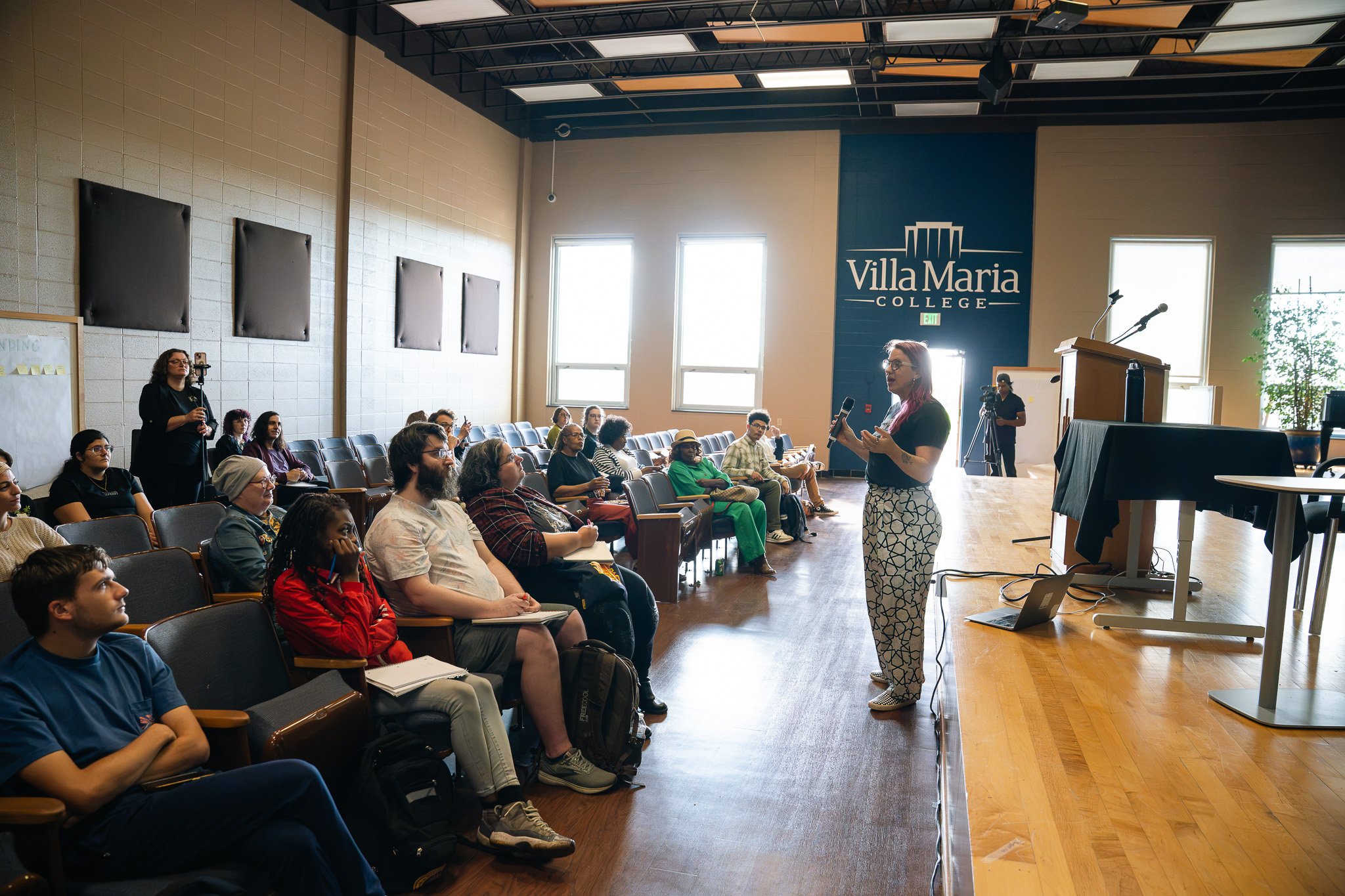
On paper, the Western New York Creative Sustainability Summit was a free event held at Villa Maria College’s Recital Hall. Featuring filmmaker and Seed&Spark CEO Emily Best, the Summit offered workshops on crowdfunding, creative independence, and building a film distribution playbook. In practice, it was something deeper: a reminder that creative people across this region are still doing what they have always done, making something out of vision, grit, and very real need.
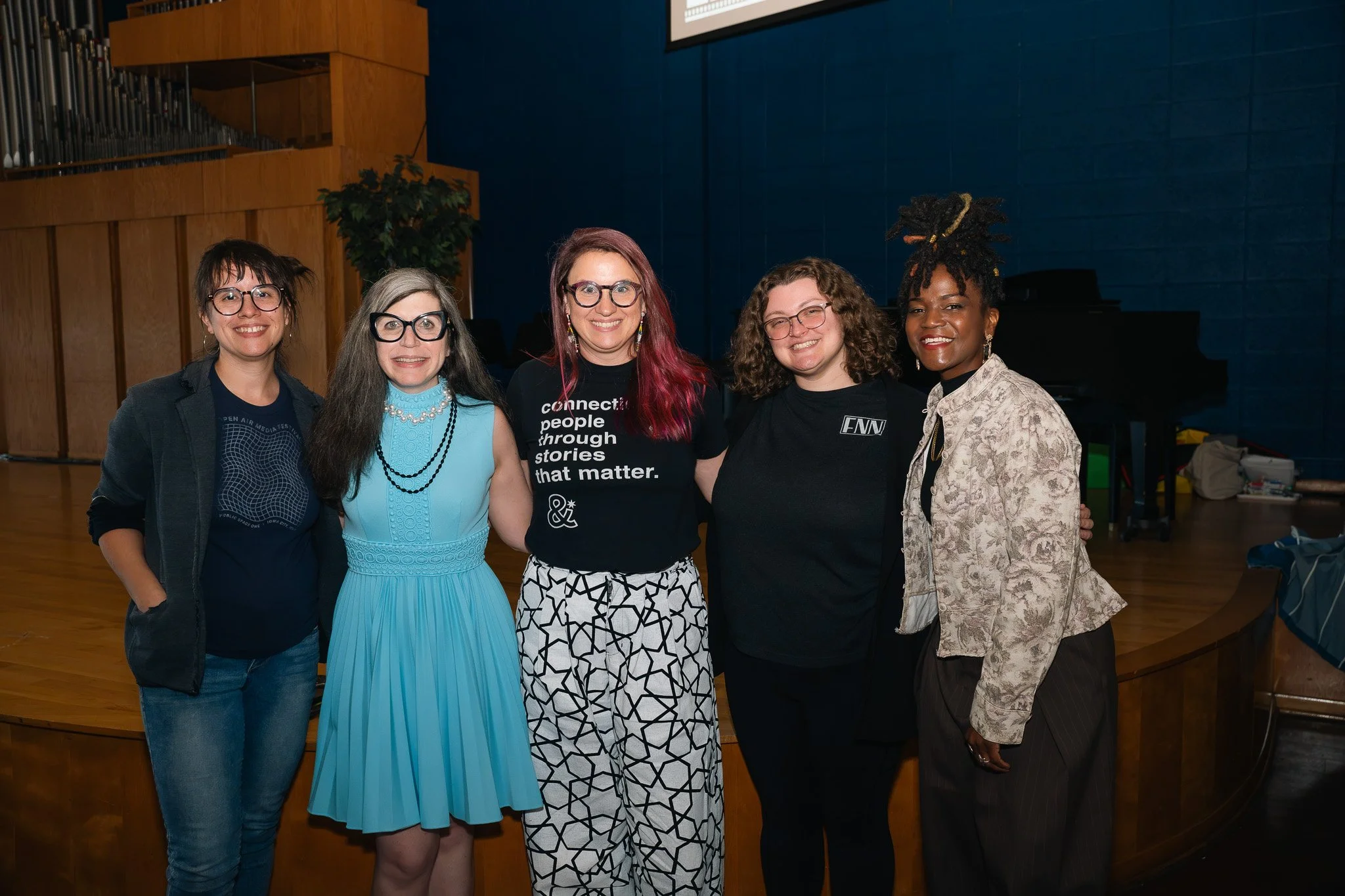
The Summit was hosted by Emily Best and made possible through a collaboration between Film Neighbor Network, Get Fokus’d Productions, Squeaky Wheel Film & Media Art Center, and VonSchmals Productions. Together, they created a space for artists, filmmakers, storytellers, and creative entrepreneurs to gather around a simple but urgent question: What does it really take to sustain creative work in Western New York?
The answer came through the people in the room and through the survey responses gathered during the event’s local creative resource discussion, where attendees were invited to share what support would make the biggest difference in their fields.
Why Events Like This Matter
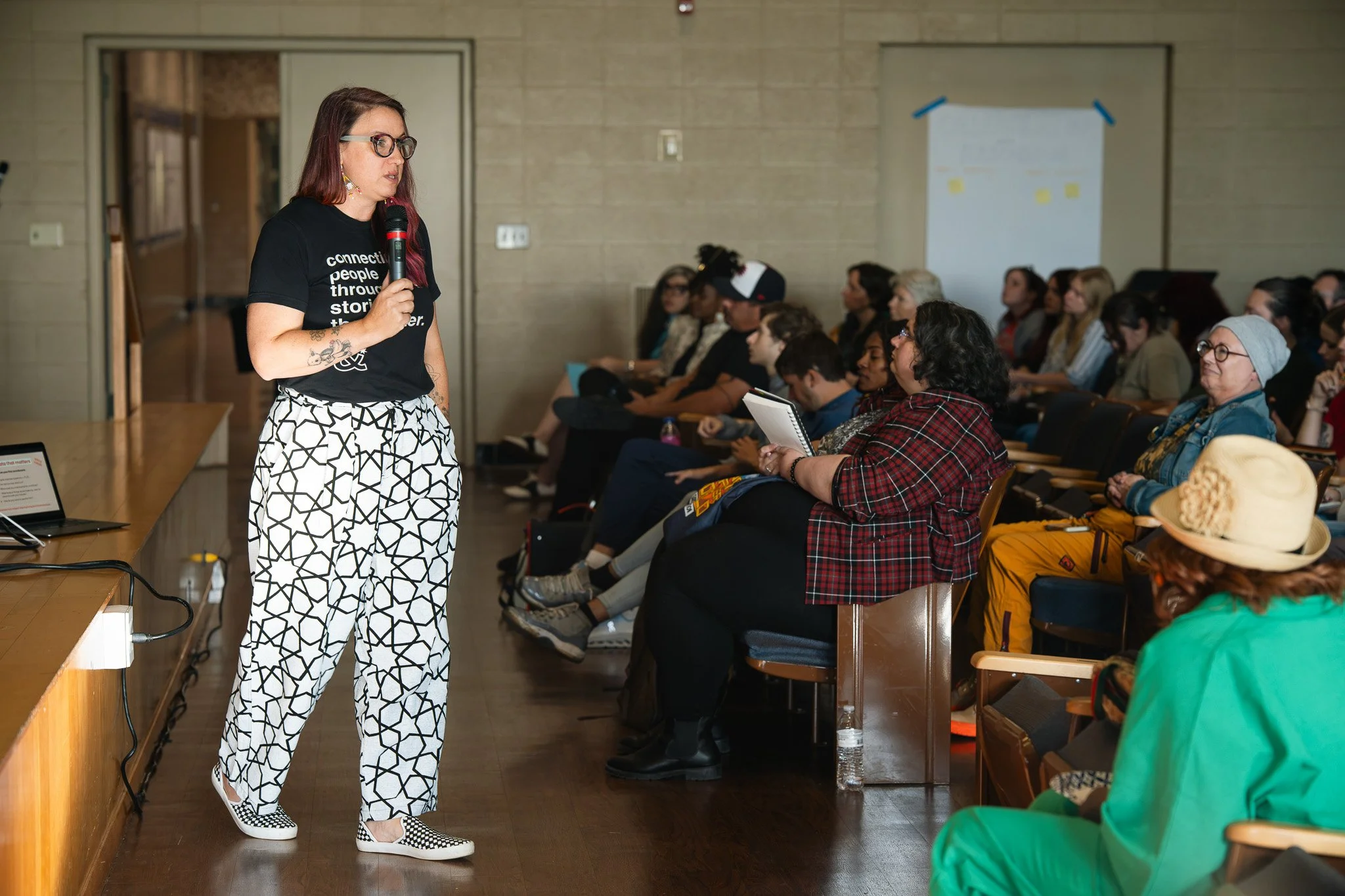
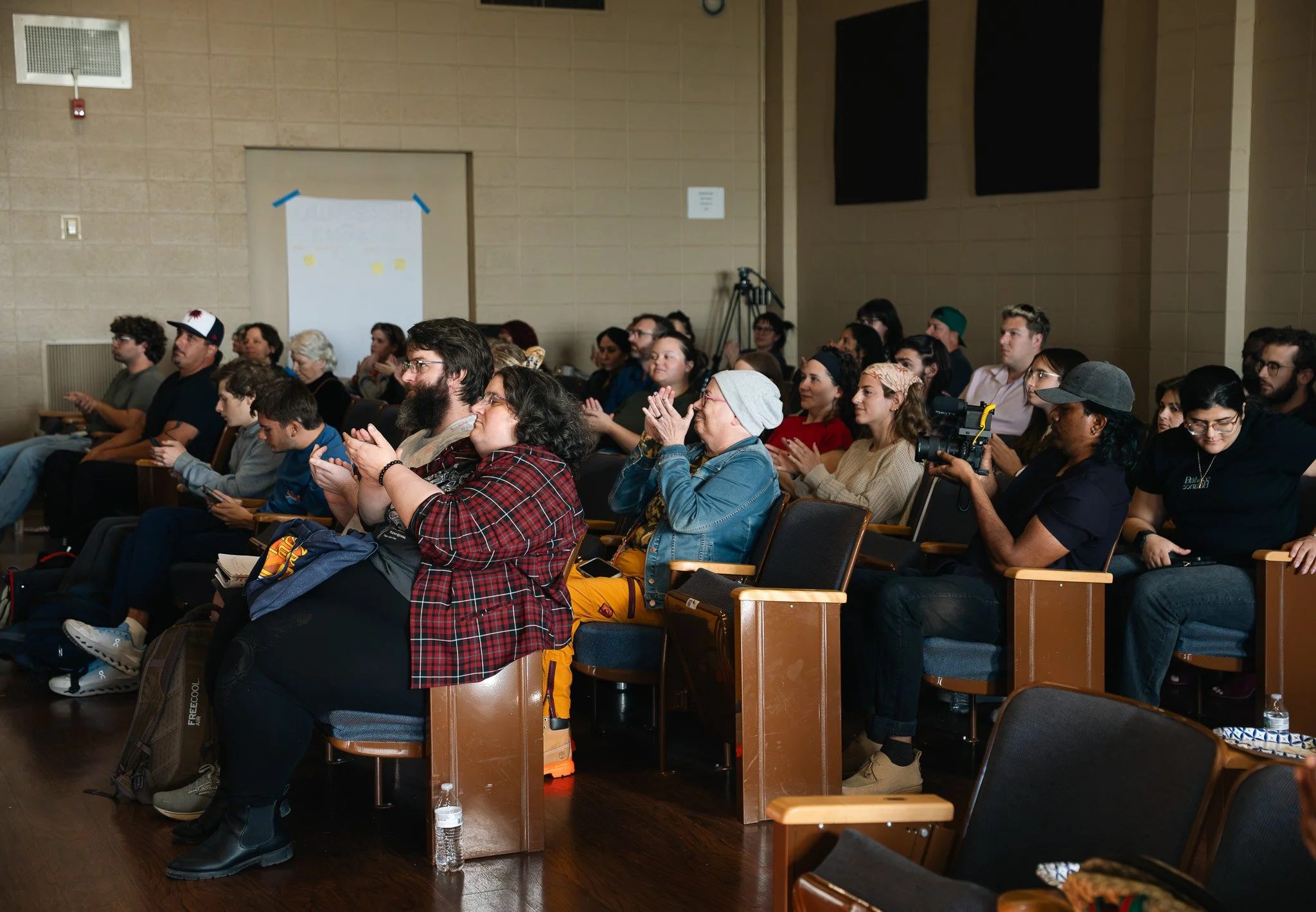
Creative work is often celebrated once it is visible. People show up for the screening, the exhibit, the campaign, the publication, and the performance. What gets missed is everything that has to happen before that moment: the budgeting, the relationship-building, the unpaid planning, the search for collaborators, the need for space, and the quiet question many creatives carry, which is whether they can keep doing this at all. With 60 people coming together for the Summit, the turnout sent a clear message: creatives are looking for spaces to connect, access resources, strengthen their work, and build a more sustainable path forward.
The survey makes that reality plain. Of those surveyed, more than 81% identified mentorship and creative networks as a need, while 62.5% identified funding and paid opportunities and 56.25% identified access to equipment and creative space. When asked what matters most for sustaining a creative career, 50% said resources and relationships are equally essential, while another 37.5% emphasized guidance and connections. Together, these responses show that creative sustainability is not driven by funding alone. Creatives need both tangible resources and strong networks that provide guidance, opportunity, and connection.
This matters because it tells the truth in plain language. Creative people do not only need inspiration. They need people, pathways, practical tools, and a fair shot at building work that can last.
Events like this matter because they do more than inform. They connect. Emily Best’s workshops focused on crowdfunding, audience-building, and distribution strategy, which are all practical tools for creative independence. But just as important, the Summit made room for local creatives to speak for themselves about what sustainability actually looks like on the ground in Western New York.
The Get Fokus’d Mission in Action
At Get Fokus’d Productions, the work has always been about people. Human-first storytelling means recognizing that stories do not appear out of nowhere. They come through lived experience, creative labor, trust, collaboration, and the courage to keep making something meaningful even when the support system is thin.
That is why this Summit sits so naturally within the mission. The survey included visual and digital creatives, storytellers, producers, directors, writers, narrative builders, creative entrepreneurs, community media makers, and creative support professionals. In other words, the very people who help shape how this region sees itself were in the conversation.
Their responses point to a creative economy that is full of talent and possibility, but also asking for stronger infrastructure. Mentorship led the list of needs, and half of respondents said plainly that both funding and connection are essential to sustaining a creative career. That insight aligns with a human-first mission that sees support not as charity, but as the groundwork for healthier communities, stronger cultural ecosystems, and more durable opportunities for storytellers to thrive.
This is what a mission looks like in motion. It looks like collaborating with others to building spaces where people can learn, meet, ask honest questions, and leave with something more than inspiration. It looks like collaboration between organizations and businesses that understand the creative economy is not a side conversation. It is part of how communities communicate, imagine, document, and grow.
Collaboration on Purpose
The Summit did not happen in isolation. It was built through partnership, with Film Neighbor Network, Get Fokus’d Productions, Squeaky Wheel Film & Media Art Center, and VonSchmals Productions coming together to make the event possible. That kind of collaboration matters because no one organization can meet every need on its own.
When organizations, businesses, and community-driven creative leaders work together, they can create gathering and access points. They can connect local creatives to education, funding pathways, visibility, production knowledge, and each other. They can help close the distance between creative promise and creative sustainability.
That is also why Emily Best’s presence mattered. As a filmmaker and CEO of Seed&Spark, she brought a national perspective on crowdfunding, audience-building, and distribution. At the same time, the local resource discussion kept the conversation grounded in the experiences and needs of Western New York creatives. The result was a gathering that balanced strategy with listening, and expertise with community voice.
Ways to take action
Ideation by Aitina Fareed-Cooke
“The clearest takeaway from the Summit is not complicated. If Western New York wants a stronger creative economy, it has to support the people building it. The stories, projects, businesses, and cultural experiences people celebrate later all begin much earlier, in rooms like this, where community, strategy, and honesty meet.”
For Funders & Institutions
Support people, not only polished outcomes. Fund the process, the learning curve, the experimentation, the preparation, and the labor behind the final product.
Build mentorship into programming. Survey respondents identified guidance and creative network as the strongest need, which means relationship-centered support should be treated like infrastructure.
Lower the barriers where possible. Clear applications, fair compensation, accessible language, and practical support make it easier for more creatives to participate.
Think beyond the single event. One workshop can spark something, but sustained investment is what helps people remain in the field.
For Our Neighbors
Show up for local creative work. Attend screenings, exhibitions, readings, workshops, and performances, because presence is one way a community says your work matters.
Talk about creative labor with the respect it deserves. Art is not extra. Storytelling is not a side note. Creative work shapes memory, identity, education, and economic possibility.
Invest in the ecosystem, not only the moment. A healthy creative economy is built when people have room to make, room to fail, room to learn, and room to keep going.
For Community Leaders & Educators
Hire local creatives for real work. Bring regional storytellers, designers, filmmakers, photographers, writers, and producers into campaigns, events, documentation, and brand strategy.
Pay fairly and pay on time. Fair compensation is not a bonus. It is part of what makes a creative economy real.
Use your platform with intention. Introduce creatives to new audiences, recommend collaborators, and create opportunities for visibility that lead somewhere tangible.
Partner with organizations already doing the groundwork. Collaboration is often the fastest path to creating meaningful impact at the local level.
For Artists & Storytellers
Reach out before you are in survival mode. Build real relationships with peers, mentors, collaborators, and organizations while there is still room to dream, not just when something falls apart.
Name what you need with clarity. The data shows that people are looking for mentorship, funding, equipment, and space, which means honest asks are part of building a stronger creative ecosystem.
Treat your work like it matters, because it does. Practice pricing, contracts, budgets, and boundaries so your creativity has something steady to stand on.
Share what you learn. Every resource passed along, every referral made, every opportunity shared helps someone else stay in the work.