
Get Fokus’d Productions partners with the
John R. Oishei Foundation to impact Buffalo’s East Side
Written by Ekaete Bailey
Images by Kalvin Booker (Through His Lens Photography)
During this pivotal season in our nation’s history, when the term racial equity has been woefully misunderstood and maldefined through divisive rhetoric, the esteemed John R. Oishei Foundation (Oishei) remains true to this work and doubles down on its intentional direction of building a foundation for racial equity in the Buffalo-Niagara region. Get Fokus’d Productions is playing an important role in spearheading a focus area within the Oishei strategic framework.
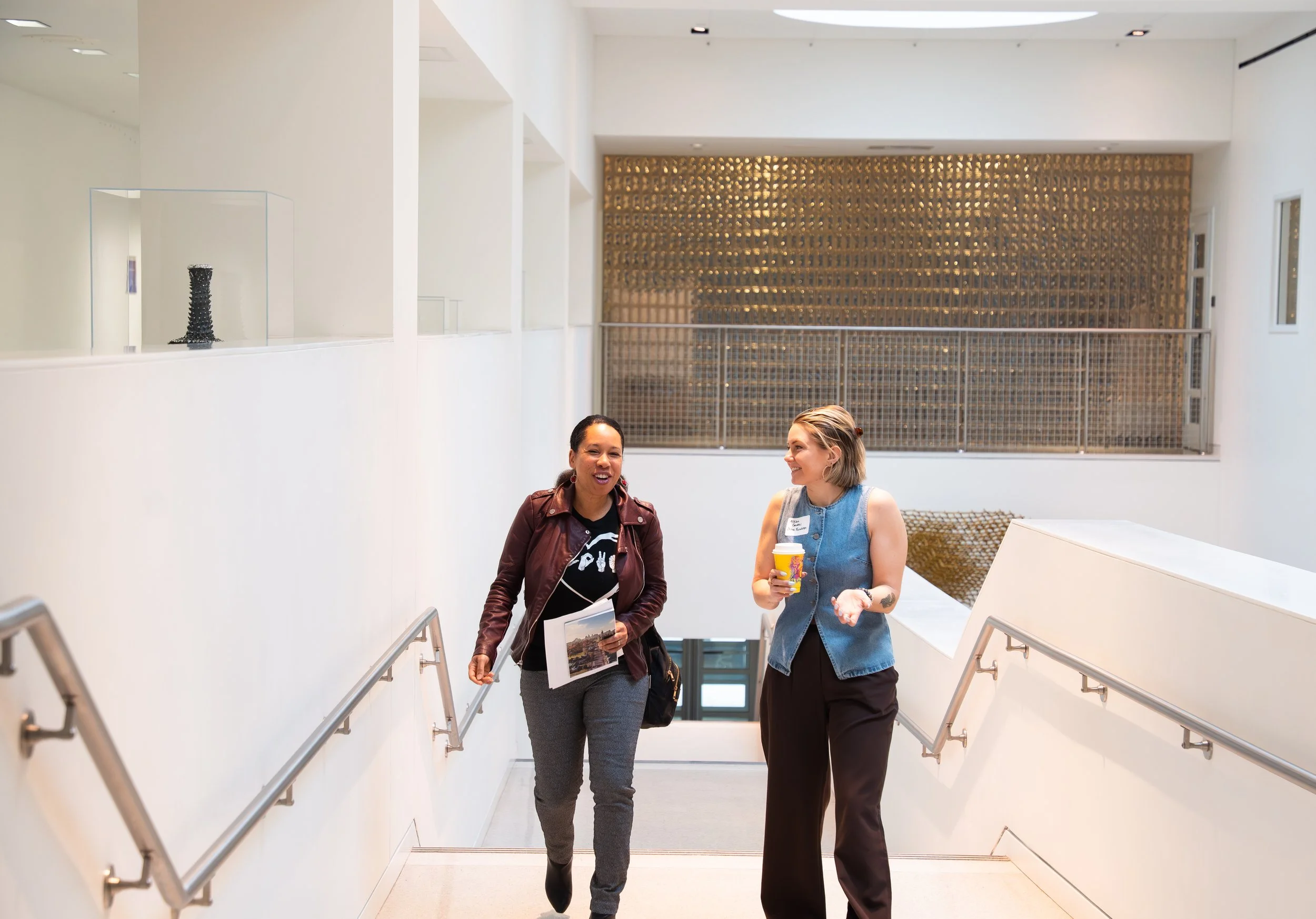
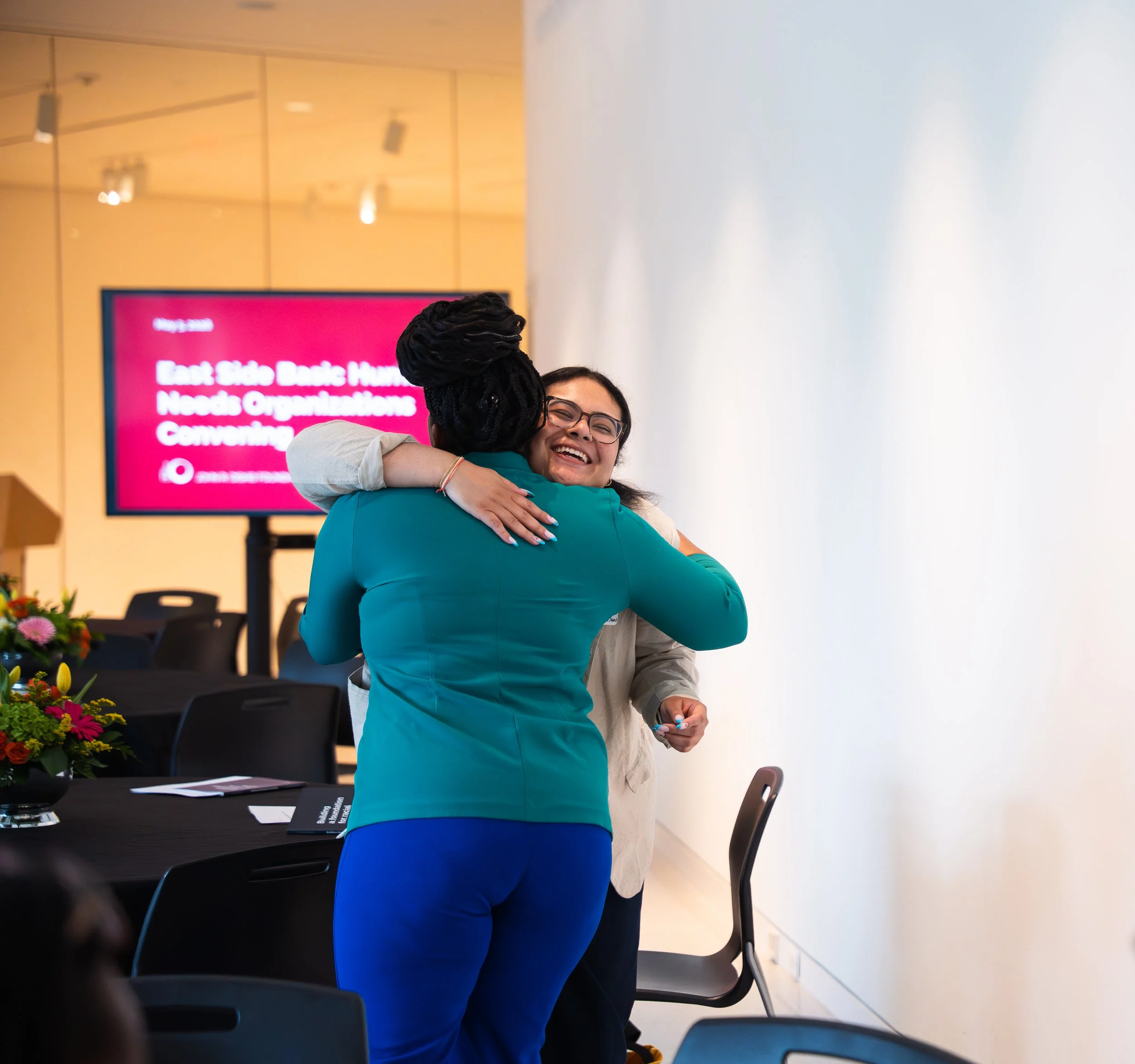
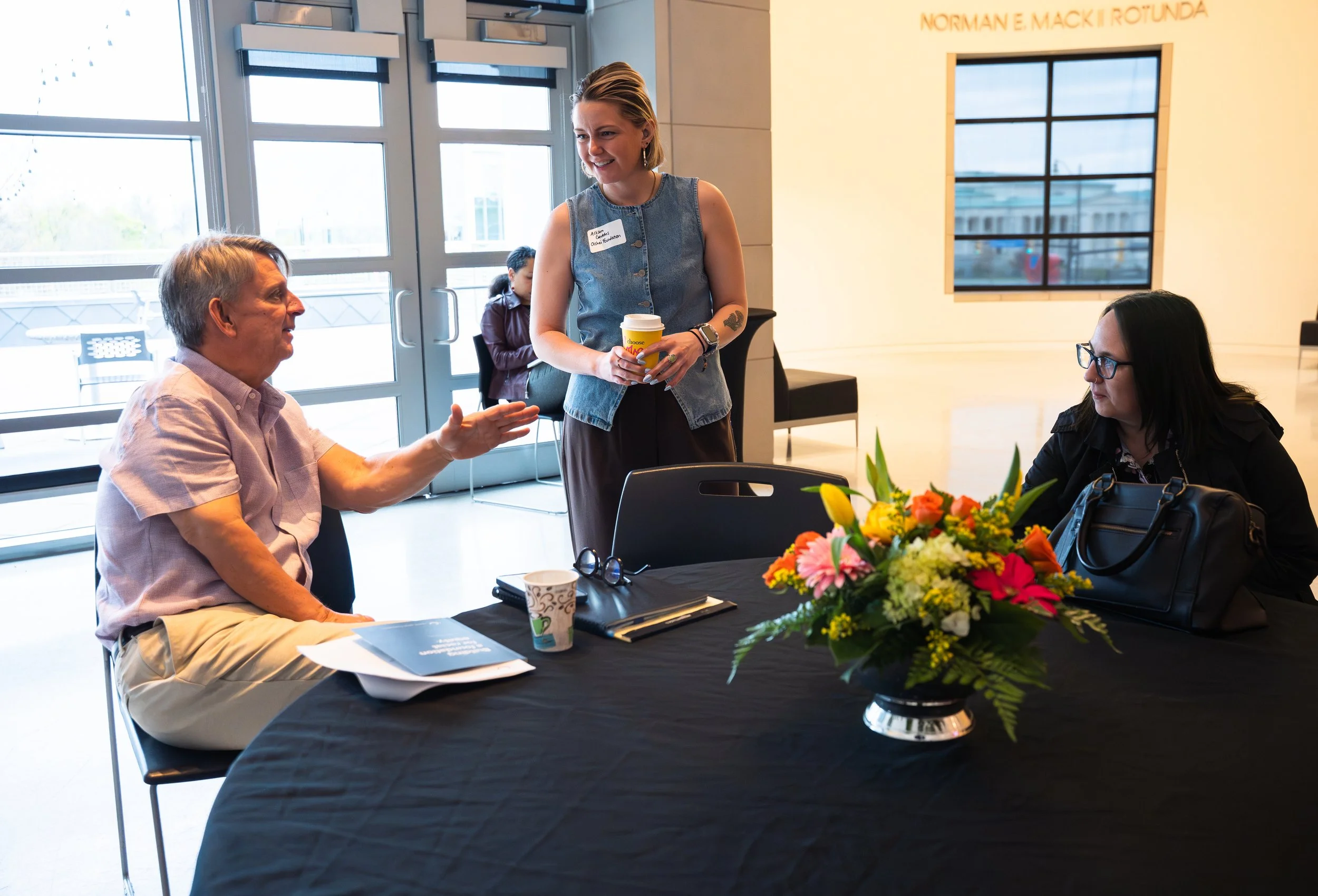
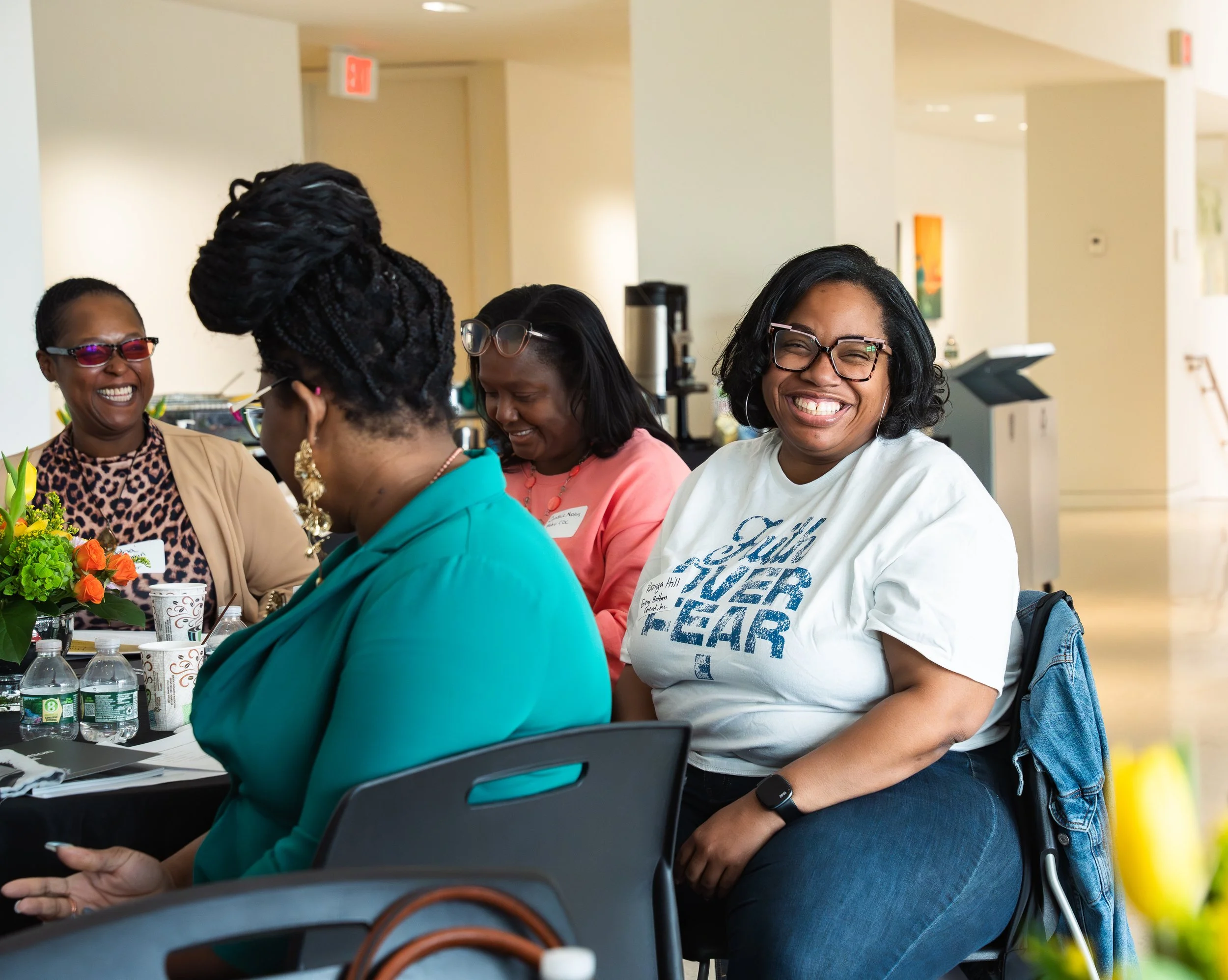
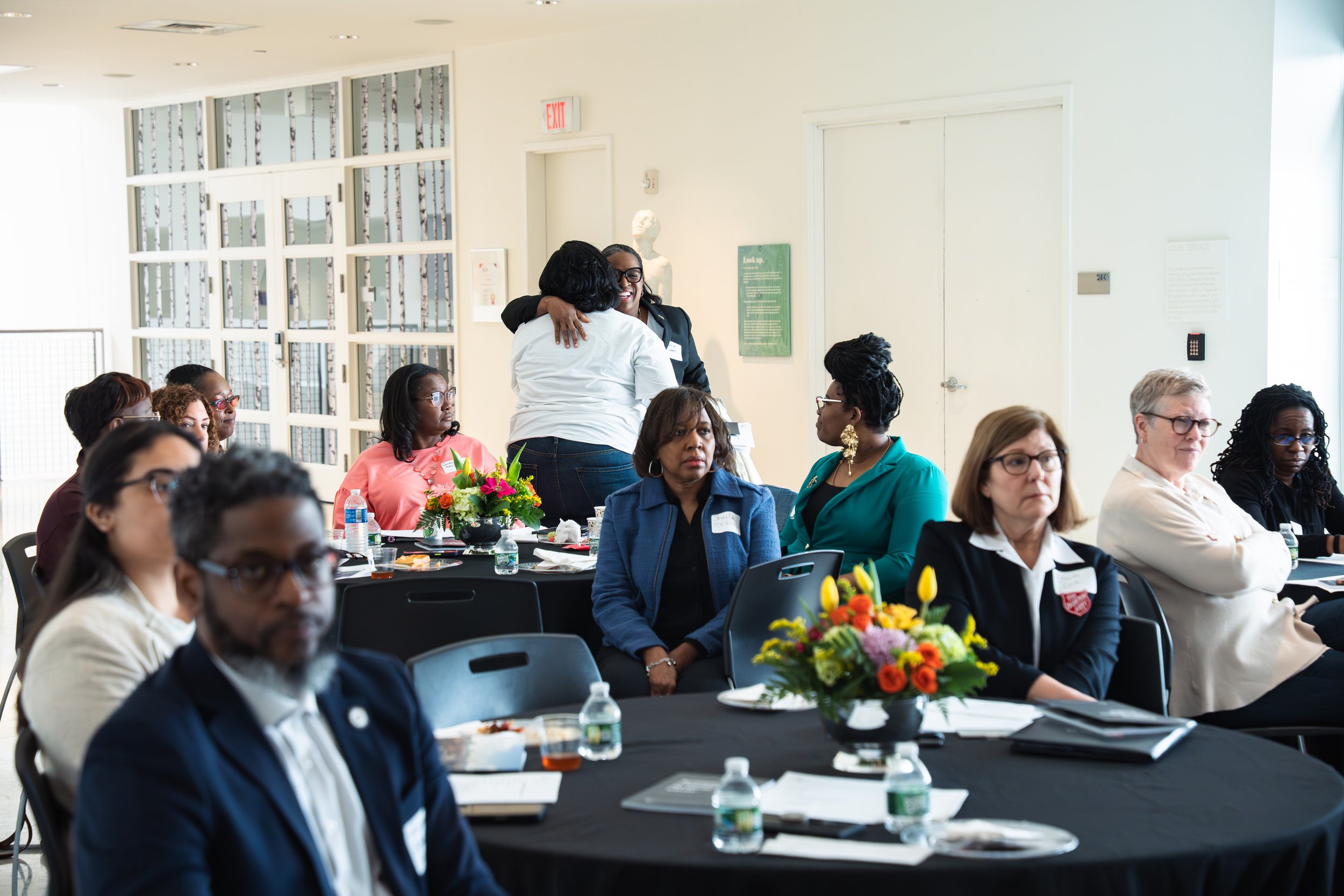
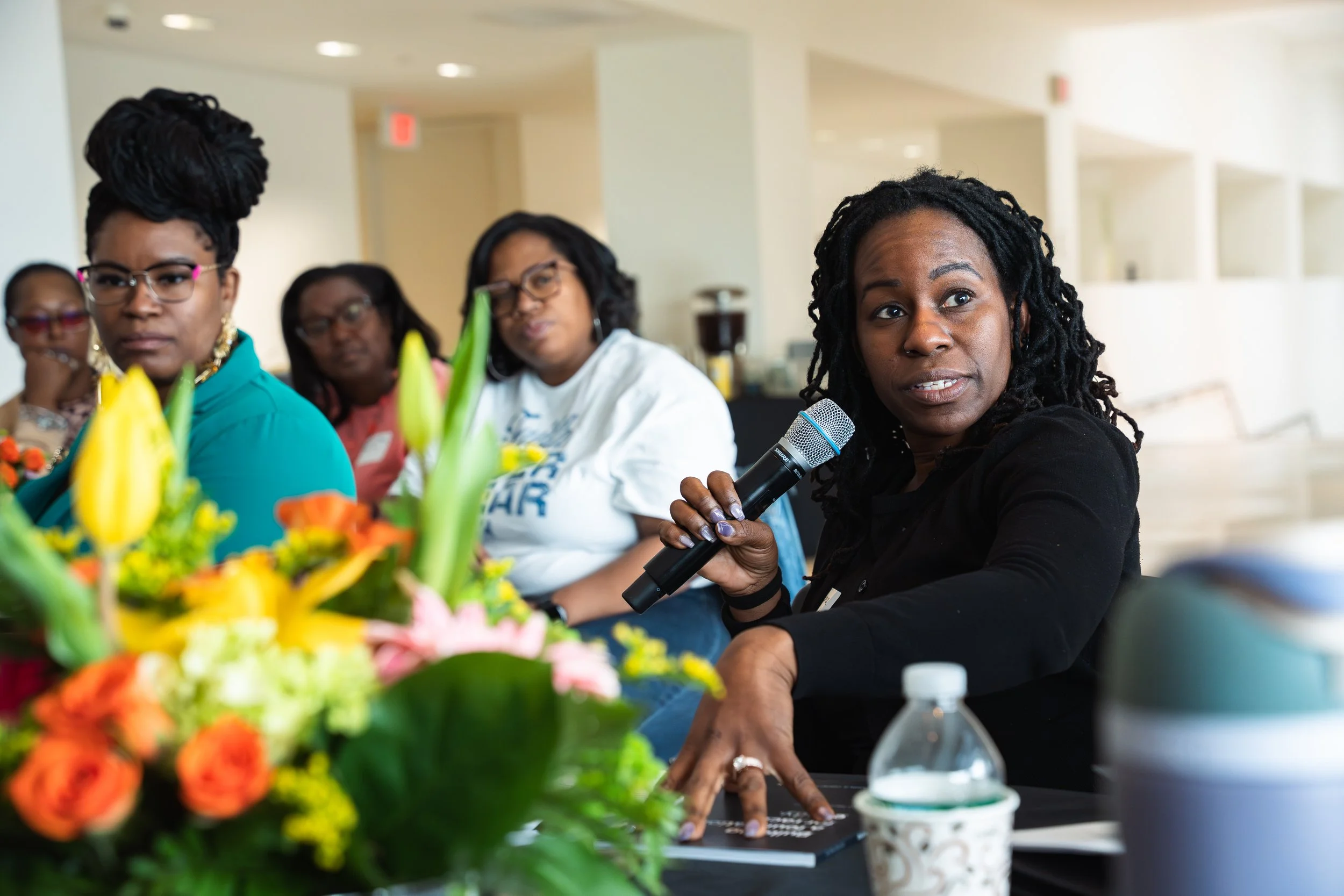
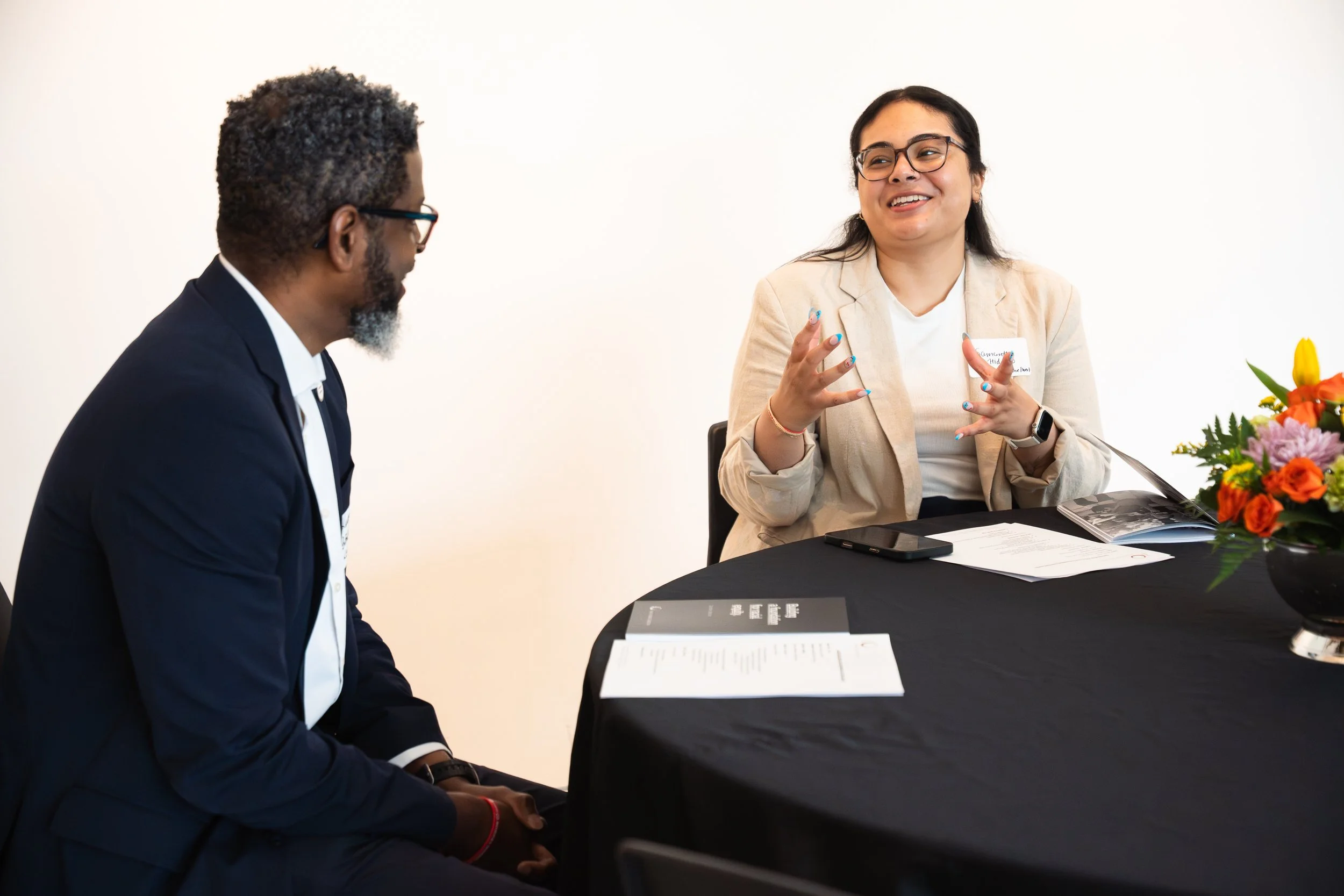
On Tuesday, May 5, Oishei hosted community partners at the Burchfield Penney Art Center to share, celebrate, and connect. Basic Human Needs (BHN), a grant program designed by Oishei, previously awarded funds to several nonprofit community partners, and many of these grantees attended this gathering, as well as previous convenings Oishei hosted over the past few months on this topic.
The BHN Partner Breakfast was catered by Manna, an award winning Black owned East Side restaurant, and included an overview of Oishei’s strategic framework; findings from the East Side Basic Human Needs Grantee Convenings Report created by Partnership for the Public Good; and a dynamic group discussion.
Initiated by Oishei, this relationship-building work seeks to rally community power-building to create and maintain racially equitable systemic and practical solutions within our historically underserved communities, starting with Buffalo’s East Side. According to Oishei, its new direction is to “...work with communities to change systems and build financial prosperity for a racially-just, vibrant Buffalo-Niagara region, starting with the East Side.”
Pamela Ross, leader of community impact at Oishei, presented the report findings and facilitated a group discussion. She agreed with many of the sentiments in the room when she stated, ‘“We need to respect people where they are and help them to get to where they want to be.”
The findings from the initial convenings of this group were synthesized into a report by Shantay Barnes and Sarah Wooton from Partnership for the Public Good. The report included recommendations for going forward, including: developing and clearly communicating the role of funders in systemic change work; strengthening community organizational capacity through unrestricted funding; empowering residents and community organizations to lead systemic change work; and creating pathways for genuine, equitable collaboration between organizations.
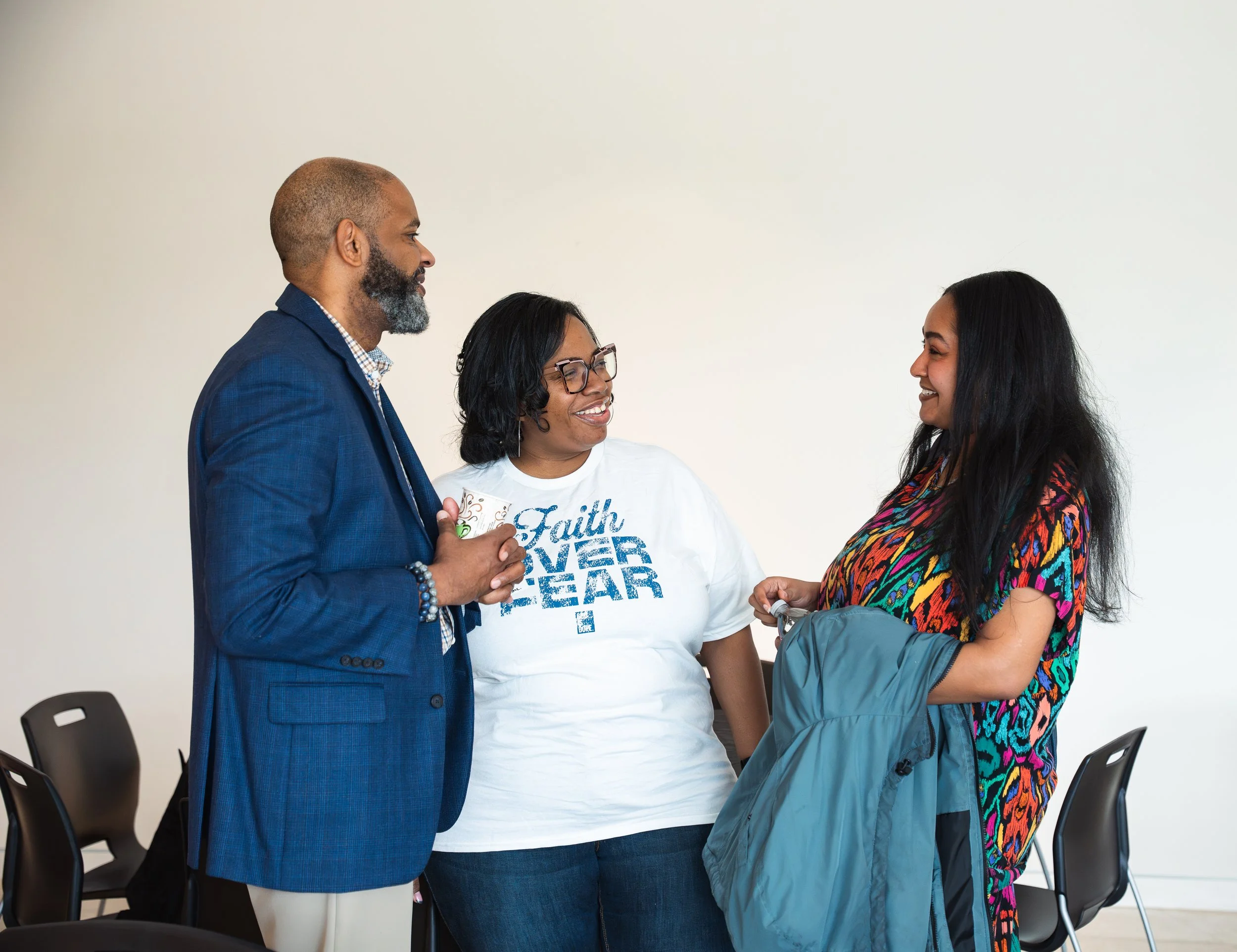
Centered around community power-building, Oishei’s strategic framework focus areas include: organizational power; individual power; community asset control and ownership; joy, restoration, and resilience; collective community organizing; narrative change; and policies and practices.
Oishei’s bold, far-reaching directional shift is both needed and necessary in a city that continues to see wealth gaps, health and educational disparities, and low life expectancy in community members of color, particularly Black residents living on the East Side.
Like a stone that is tossed intentionally into a body of still water, there will be multiple ripples that come out from the epicenter of this initial set of convenings. Oishei making this firm commitment to racial equity is the first ripple. The community partners who participated in the convenings are a second ripple. East Side companies, consultants, and service providers will be the next ripple, and eventually the entrepreneurs and business-capable residents of Buffalo’s East Side will create multiple ripples until this work takes on tangible, lasting, and systemic impact within Buffalo’s East Side community.
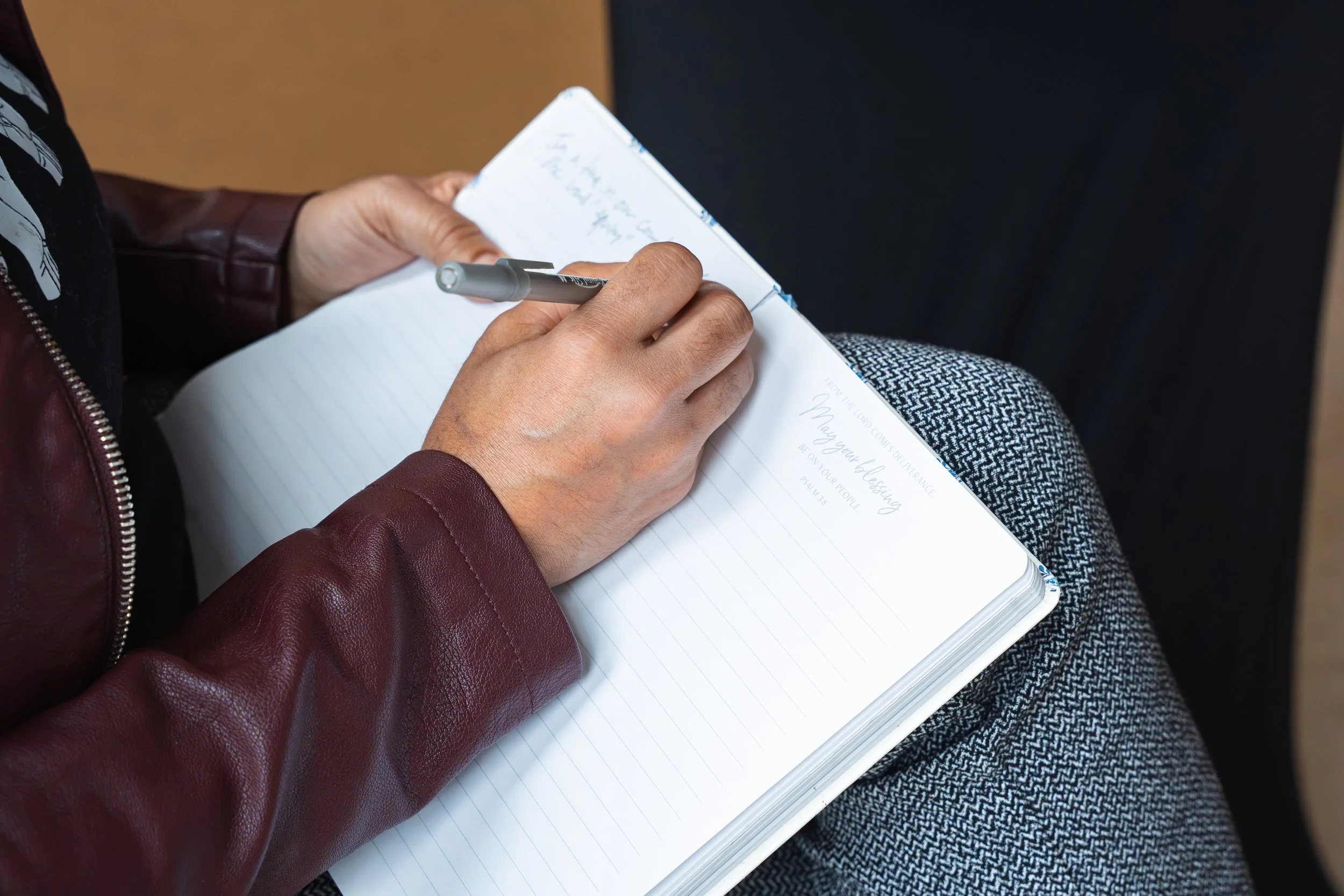
Get Fokus’d Productions (GFP) leans into what it means to focus on joy, restoration, and resilience as an integral part of this work, with an intentional focus on Black joy. Joy is an important element of relationship-building. It is equally important for maintaining relationships and for building trust. Through digital storytelling, literary arts, and community involvement, GFP will work to empower East Side community members to see themselves in new and powerful ways. This power-building will leverage joy, restore hope, and build a resilience that the East Side will carry forward sustainably.
Focusing on joy as a weapon for mental, emotional, and physical health, and working with the leaders of the other strategic framework focus areas, GFP and East Side community members can begin to dream about an even more beautiful, joy-filled community where every willing resident meets their full potential without systemic blocks and hindrances.
In their role as facilitator and funder, the community impact team at Oishei understands that this work is not theirs alone, and they acknowledge that they cannot be the people who lead this work. The consistent relationship-building and the building of East Side partnership infrastructure must come from the community.
As the meeting wrapped up, Pamela Ross asked the question that all in the room were wondering: What’s next? Now that this group of trusted community leaders has offered their insight, experience, and expertise, how can the Oishei strategic framework be turned into a strategic plan? How can the recommendations made in the East Side Basic Human Needs Grantee Convenings Report be implemented? How does this group start to bring East Side community members into these conversations early and often?
There are many more questions, but one thing is certain: this process has started authentically, and many of the right people have already started building relationships. There’s more work to be done, and there are clear pathways to do the work. The John R. Oishei Foundation threw the pebble into the water; it is now up to all of us to keep those ripples moving throughout the East Side.
Ways to take action
Ideation by Aitina Fareed-Cooke
“The ripple effect described in this article depends on more than a foundation’s commitment. Lasting change takes root when the East Side community members, organizations, funders, and local partners build relationships, share power, and stay connected to the work over time.”
For Funders & Institutions
Offer multiyear, flexible funding that allows East Side organizations to build their teams, strengthen partnerships, and respond to needs as they arise.
Fund the work that often goes unseen, including resident stipends, childcare, transportation, food, interpretation, meeting space, and planning time. These supports help people participate fully.
Let community relationships shape funding priorities. Build regular opportunities for residents and trusted neighborhood organizations to share what is working, what is missing, and where resources should go next.
For Our Neighbors
Choose one local organization, small business, artist, or community event to support this month. Attend, volunteer, share their work, purchase something, or invite a neighbor to join you.
Talk with someone on your block, at your place of worship, or in a neighborhood gathering about one change you want to see in the East Side. Write down the idea and share it with a trusted local organization or leader.
Pay attention to community meetings and public conversations about housing, health, schools, jobs, and neighborhood development. Your voice belongs in conversations that affect everyday life.
For Community Leaders & Educators
Invite residents into program planning before the agenda is set. Offer a short listening session, a neighborhood walk, or a community meal where people can name what they need and what they already see working.
Develop a classroom or youth-group project that asks students to identify a local strength, challenge, or opportunity, then create a short presentation, photo story, poem, map, or interview that shares what they learned.
Plan a field visit to a local nonprofit, small business, cultural space, or community gathering so students and residents can meet the people already doing neighborhood-building work.
Use what you hear from community members to guide your next event, program, or partnership. Let people know what feedback was acted on and what still needs more conversation.
For Artist & Storytellers
Create work that documents the East Side as it is lived, including its joy, family traditions, businesses, beauty, creativity, and local leadership.
Start a small creative prompt in your neighborhood. Ask people to share a photo, memory, poem, voice note, or drawing that answers, “What supports sustainability in our community?”
Partner with a local organization or neighborhood business to host a story circle, open mic, exhibition, portrait day, or community archive activity that gives residents a place to share their own perspective.
Use your creative platforms to point people toward East Side events, resources, local businesses, and organizations doing work worth knowing about.